Active Dry Yeast And Bread Machine Yeast
Yeast is a crucial ingredient for baking bread. There are two main types of yeast used for baking bread, active dry yeast and bread machine yeast. Both are made from the same type of fungus, but there are some key differences between these two yeasts that will affect the quality of the finished product.
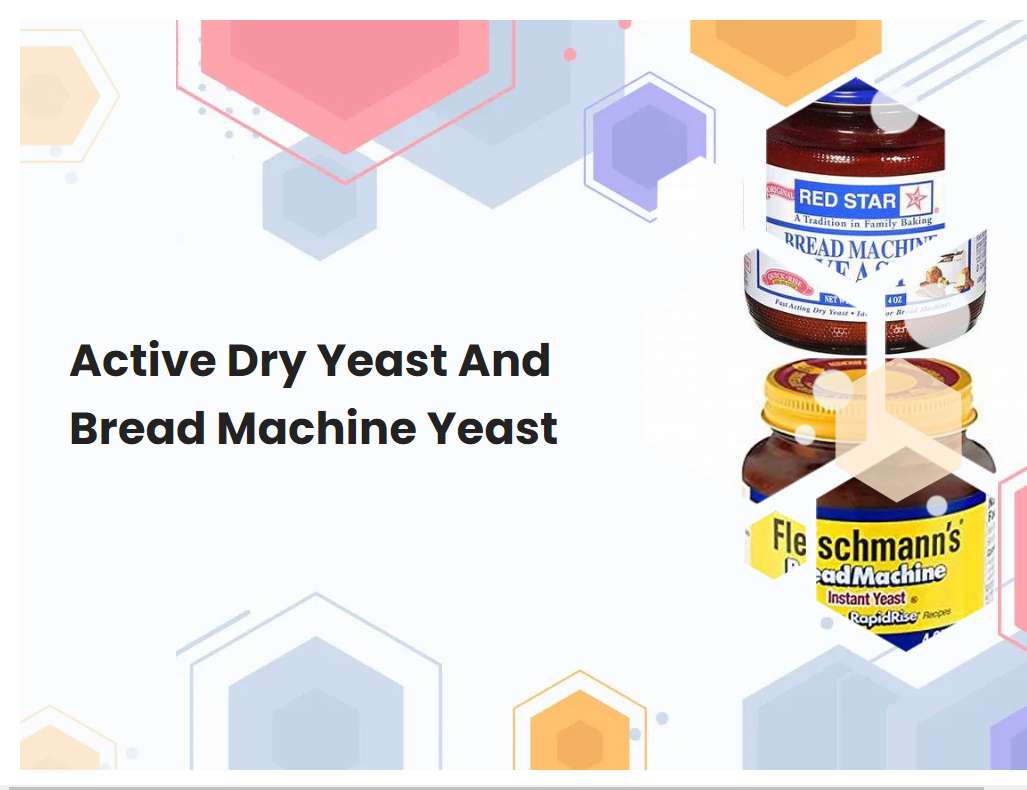
Active dry yeast is a dehydrated form of yeast that needs to be rehydrated in water before use.
Active dry yeast is a type of yeast used in baking and brewing applications. It is a dehydrated form of yeast that comes in granular form, which needs to be rehydrated in water before use. The yeast is in an inactive form, hence the name active dry yeast.
To activate the yeast, the granules must be mixed with water at the correct temperature (usually between 105-110°F) and with a pinch of sugar. Once added to the liquid, the yeast will reactivate and start to release carbon dioxide, which will cause the dough to rise. After the dough has risen, the active dry yeast is no longer needed and can be discarded. Active dry yeast has a longer shelf life than fresh yeast and can be stored in a cool, dry place for up to two years. It is also more concentrated than fresh yeast, so less is needed when baking.
Bread machine yeast is a rapid-rise yeast, which means it does not need to be rehydrated and can be added directly to the dry ingredients in the recipe.
Bread machine yeast is a special type of yeast that has been specifically designed for use in bread machines. It is a rapid-rise yeast, which means it does not need to be rehydrated and can be added directly to the dry ingredients in the recipe. Rapid-rise yeasts are specially formulated to work quickly and produce light, airy loaves of bread with minimal effort.
Bread machine yeast is also an ideal choice for those who are short on time, as it can speed up the process of baking a loaf of bread. In addition, it will not require any additional rising time, which makes it a great choice for beginner bakers. With bread machine yeast, a delicious and fresh loaf of bread can be made in less time than it would take to make one with traditional yeast.
See also: Bread Not Rising In Panasonic Bread Machine
Active dry yeast must be stored in a cool, dry place, such as a pantry or cupboard, to maintain its potency.
Active dry yeast is an essential ingredient for baking bread and other goods, and must be stored properly to maintain its potency. To ensure that it remains effective when used in baking, active dry yeast should be stored in a cool, dry place, such as a pantry or cupboard. It is important to keep the yeast away from heat or moisture, as this can cause it to lose its potency.
It should also be kept in an airtight container, such as a jar or plastic container, to protect it from exposure to air. The yeast should also be checked for expiration dates and replaced if it has passed its expiration date. With proper care and storage, active dry yeast can remain viable for many months and provide delicious results when used in baking recipes.
See also: Difference Between Active Dry And Bread Machine Yeast
Bread machine yeast should be stored in the refrigerator or freezer to maintain its potency.
Bread machine yeast is an essential ingredient in many recipes. It helps create the perfect texture and flavor in a variety of breads, rolls, and other baked goods. To ensure that bread machine yeast retains its potency and freshness, it should be stored in the refrigerator or freezer.
Refrigeration slows down the growth of microorganisms, while freezing stops it completely. When stored correctly, bread machine yeast can remain viable for up to two years. To store in the refrigerator, place the yeast in an airtight container or plastic bag. To store in the freezer, place the yeast in a plastic freezer bag and press out as much air as possible before sealing. For best results, use the yeast within six months of freezing.
See also: Apple Coffee Cake In Bread Machine By Betty Crocker
Active dry yeast should be proofed (mixed with warm liquid) before using it in a recipe.
Active dry yeast is a common leavening agent used to make breads and other baked goods. It is a type of yeast that is dried and sold in granules or powder form. Active dry yeast must be proofed before using it in a recipe.
To proof active dry yeast, you need to mix it with warm liquid (water or milk, depending on the recipe). The liquid should be between 105-115°F. If the liquid is too hot, the yeast will not be activated and will not work properly. If the liquid is too cold, the yeast will not activate either. When mixed with the warm liquid, the active dry yeast will form a creamy foam, which means that it has been activated and can be used as a leavening agent in a recipe. Once the active dry yeast is proofed, you can add it to the recipe according to the instructions provided.
See also: Cooks Essential Bread Machine One Rotor Not Moving
Bread machine yeast does not need to be proofed before using it in a recipe.
Bread machine yeast is a type of active dry yeast that is specifically formulated to be used in bread machines. It is a little bit different than regular active dry yeast in that it is a smaller particle size, which allows it to be mixed directly with the other dry ingredients without needing to be proofed. This makes it much more convenient to use in bread machine recipes, as it eliminates the need for an extra step of proofing the yeast.
Bread machine yeast is available in small packets or jars and can be stored at room temperature for up to two years. For best results with bread machine yeast, it should be used within the recommended expiration date, as yeast does lose its potency over time.
See also: How Long Does It Take To Bake Bread Machine Loaf
Active dry yeast is not suitable for use in bread machines, as it will not rise correctly.
Active dry yeast is a type of yeast that is not suitable for use in bread machines. It requires more activation from the user than other types of yeast and will not rise correctly in the bread machine's environment. To use active dry yeast in a bread machine, it must first be hydrated in warm water for several minutes to activate it.
Once it is properly hydrated, it can then be added to the other ingredients and the machine will take care of the rest. However, this process is time consuming and may lead to unevenly risen breads. For this reason, it is best to use instant yeast or rapid rise yeast when baking in a bread machine. These types of yeast are specially formulated to activate quickly and rise evenly in a bread machine, so they are the best choice for this type of baking.
Bread machine yeast is specifically designed for use in bread machines, and will rise correctly when used according to the recipe instructions.
Bread machine yeast is a special type of yeast designed to work in bread machines. It is designed to rise and activate quickly, so that bread can be made in bread machines more quickly and conveniently. It is important to note that each bread machine is different and may have different instructions for the amount of yeast to use.
In most cases, bread machine yeast is added directly to the dry ingredients without proofing or activating it first. Additionally, bread machine yeast should not be substituted for active dry yeast or instant yeast in recipes that are not specifically designed for use with bread machines. When used according to the recipe instructions, bread machine yeast will rise correctly and allow for successful bread baking in bread machines.
Active dry yeast requires a longer rise time than bread machine yeast, so recipes may need to be adjusted accordingly.
Active dry yeast is a popular choice for baking yeast breads, but it requires a longer rise time than bread machine yeast. This means that recipes that call for active dry yeast need to be adjusted to allow for the extra time needed for rising. For instance, a recipe that calls for bread machine yeast might require a single rise of 45 minutes, but a recipe that calls for active dry yeast might require a double rise of 90 minutes.
Additionally, when using active dry yeast, it is important to rehydrate the yeast in warm water before adding it to the other ingredients in the recipe. This helps to ensure that the yeast is properly activated and that the dough will rise correctly. Taking these steps will help ensure that your baked goods turn out perfectly every time.
Bread machine yeast needs less time to rise than active dry yeast, so recipes may need to be adjusted accordingly.
Bread machine yeast is a special type of yeast designed to work in bread machines. It is a fast-acting yeast that is pre-hydrated, meaning it does not need to be activated in warm water like active dry yeast. This type of yeast is more convenient to use and can be added straight to the dry ingredients.
It is also capable of producing a faster rise time than active dry yeast, meaning that the recipes for breads made with bread machine yeast may need to be adjusted to account for the shortened rise time. It is important to read the instructions on the yeast packet carefully and adjust the recipe as required to ensure a successful loaf of bread.





