Instant Or Active Yeast For Bread Machine
Bread machines are a great way to make fresh homemade bread without all the fuss of kneading and rising. Using a bread machine, you can choose between using either instant or active yeast. Both have their advantages and disadvantages, so it is important to understand the difference between the two yeasts before deciding which is the best option for your bread machine.
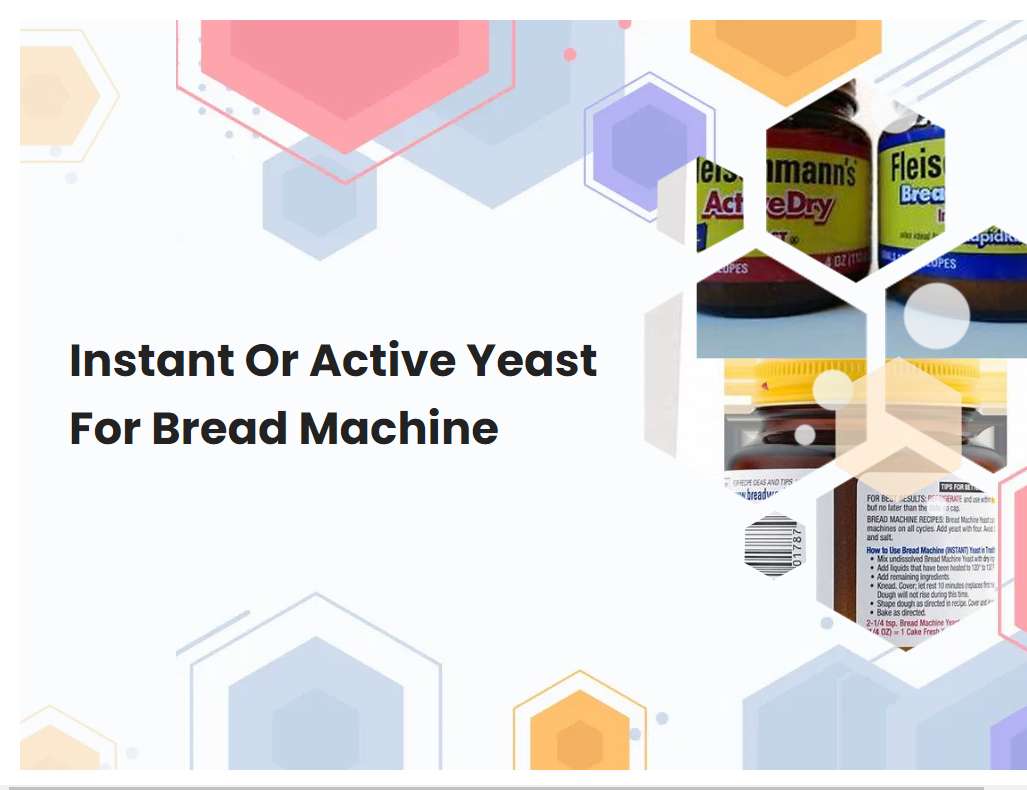
Active yeast and instant yeast are essentially the same type of yeast, just packaged differently.
Active yeast and instant yeast are both varieties of the same type of yeast, known as Saccharomyces cerevisiae. This is a single-celled organism that is used to help dough rise and give foods a light, fluffy texture. Active yeast is sold in a granular form, while instant yeast is a finer powder.
Despite the difference in their physical appearance, both active and instant yeast are made up of the same species of yeast, so they can be used interchangeably in most recipes. Active yeast must be proofed before it is used in a recipe, which means it needs to be mixed with warm water and allowed to sit for 5-10 minutes until it bubbles up and starts to foam. Instant yeast does not need to be proofed and can be mixed into doughs and batters as is. Both active and instant yeasts will give your baked goods a light, airy texture and delicious flavor.
Active yeast needs to be proofed in warm water before use, while instant yeast can be added directly to the dry ingredients.
Proofing yeast is an important step in baking with yeast. Active dry yeast needs to be rehydrated before use in order to activate the cells and produce the desired results. To proof it, dissolve the yeast in warm water (110-115°F) with a pinch of sugar.
Let it sit for 5-10 minutes until the mixture is foamy, indicating that the yeast is alive and active. If the yeast does not foam, then it is likely dead and should be discarded. Instant yeast, however, does not require proofing and can be added directly to the dry ingredients. This type of yeast is designed to be mixed directly into the dough without any additional proofing or activation. It is important to use the correct type of yeast for the recipe and to be sure that it has not expired before using.
See also: Easy Whole Wheat Bread For Bread Machine
Active yeast is available in both granular and cake form, while instant yeast is always granular.
Active yeast is a type of yeast that is widely used in baking and brewing. It is available in two forms: granular and cake. Granular active yeast is a powder-like substance that is made of tiny, dried granules of yeast.
It is the most common type of active yeast and is available in both traditional and instant forms. Traditional active yeast needs to be dissolved in warm water and activated before it can be used to make doughs and batters rise. Instant active yeast, on the other hand, does not need to be dissolved or activated and can be added directly to the dough or batter. Cake active yeast, also known as compressed yeast, is formed into a solid block and has a higher concentration of live cells. It needs to be broken up into smaller pieces before being added to the dough or batter. Instant yeast is always in granular form and does not need to be broken up or dissolved before use.
See also: Accurate Glass Liquid Measuring Jug For Bread Machine
Active yeast will produce a slightly different flavor and texture in bread than instant yeast.
Active yeast is a type of yeast that is composed of living cells. It is the most traditional form of yeast used for baking bread, and it requires proofing before use. To proof active yeast, it must be dissolved in warm water with a pinch of sugar and left to sit for 5 to 10 minutes.
If the mixture foams or bubbles, the yeast is active and ready to use. Active yeast produces a unique flavor and texture in bread that is slightly tangy and chewy. This is due to the long fermentation time required, as the yeast cells take longer to break down the starches in the dough. The rise time is also slower with active yeast, but it results in a more complex flavor. Additionally, active yeast can be saved in the fridge for up to two weeks and can be reused multiple times, making it a more economical choice than instant yeast.
See also: Bob's Red Mill Low Carb Bread Mix Bread Machine Instructions
For bread machines, it is best to use active or instant yeast specifically designed for machine baking.
Active or instant yeast specifically designed for machine baking is the best choice for bread machines. This type of yeast offers several advantages compared to regular active dry yeast. It is a more concentrated form of yeast, so it can be added directly to the dry ingredients without needing to be dissolved in water first.
It is also more consistent and reliable, rising faster and more predictably than regular active dry yeast. This makes it easier to control the outcome of your bread machine recipes. It is also more tolerant to temperature fluctuations, which is important in a machine baking environment. Finally, it is more shelf-stable than regular active dry yeast, meaning it can be stored in the pantry for extended periods of time without losing its potency. For these reasons, it is the yeast of choice for bread machines.
See also: What Setting Do You Use Bread Machine For Challah
When using active or instant yeast for bread machines, follow the instructions in the machine's manual for the amount of yeast to add and how to add it.
When using active or instant yeast for bread machines, it is important to follow the instructions in the machine's manual for the amount of yeast to add and how to add it. The amount of yeast needed will vary depending on the type of bread being made and the size of the loaf. Generally, active or instant yeast should be added to the bread machine after all other ingredients have been added.
Active or instant yeast should be lightly sprinkled on top of the other ingredients and gently stirred into the dough with a spoon. It is important to not allow the yeast to come into contact with liquid before it is added to the bread machine, as this could cause it to become inactive. Once all ingredients have been added, the machine should be set according to the instructions in the manual and the dough should be allowed to mix and knead for the allotted amount of time. After the kneading process is complete, the dough can then be shaped and baked. Following these instructions will ensure that your bread turns out perfectly every time.
See also: How To Make Raisin Bread Using Bread Machine
Make sure to use the correct amount of yeast, as too much or too little can lead to an unsuccessful loaf.
Using the correct amount of yeast is essential for baking a successful loaf of bread. Too much yeast can cause the bread to rise too quickly and taste overly yeasty, while too little yeast can lead to a loaf that is dense and has little rise. When measuring out the yeast, it is important to use an accurate measuring device, such as a digital scale or teaspoon, as measurements can vary greatly depending on the type of measuring device used.
Knowing the correct amount to use for the recipe is also essential; for quick-rise yeast, generally 1 teaspoon is required for each cup of flour in the recipe, while dry active yeast usually needs 2 ¼ teaspoons per cup of flour. When adding the yeast to the dough, it is important to add it when all of the other dry ingredients have been added, as it can be inactivated by contact with liquid. Following these steps will ensure that your loaf of bread turns out perfectly every time.
To store active or instant yeast for bread machines, keep it away from moisture and store it in a cool, dry place.
When storing active or instant yeast for bread machines, it is important to keep the yeast away from moisture. This can be done by placing the yeast in an airtight container and making sure that the container is well sealed. It is also important to store the yeast in a cool and dry place.
Refrigerators and freezers are not suitable for storing yeast as they are too cold and can cause the yeast to die. Instead, store the yeast in a cupboard or pantry that is away from any sources of heat such as ovens, stoves, and microwaves. If stored properly, active or instant yeast can last for up to two years. However, if you notice any changes in the color, texture, or smell of the yeast, it is best to discard it and purchase new yeast. Following these storage tips will help ensure that your bread machine is able to make delicious bread every time.
Before using active or instant yeast for bread machines, check the expiration date on the package and make sure it hasn't expired.
When using active or instant yeast for bread machines, it is important to check the expiration date on the package first. Yeast is a living organism and will lose its effectiveness over time. If the yeast has expired, it will not be able to properly ferment the dough, which will result in a flat, dense loaf of bread.
To ensure that your dough will rise properly, always make sure that the yeast has not expired. Additionally, if the expiration date is close, you may want to purchase a new package of yeast from a reputable source to ensure optimal results. Following these steps will help to ensure that you get a light, fluffy loaf of bread every time.
Make sure to take proper safety precautions when working with yeast, such as wearing gloves and taking care not to inhale the product.
When working with yeast, it is important to take proper safety precautions. This includes wearing gloves and taking care not to inhale the product. Yeast is a living organism that can cause respiratory and skin irritation in some people, so it is important to be aware of potential risks.
Wearing gloves can help protect your skin from contact with the yeast, while avoiding inhaling the product can help protect your respiratory system. Additionally, working in a well-ventilated area and keeping the yeast away from food and drink will help reduce the risk of contamination. Finally, it is important to always keep the yeast sealed and stored in a cool, dry place until you are ready to use it. Taking these simple steps can help ensure that your yeast-based recipes turn out as delicious as possible, while minimizing the potential for any health risks associated with working with yeast.





