Margarine Instead Of Butter For Bread Machine
Bread machines are a convenient way to make fresh bread at home. They provide a simple way to mix and bake bread with minimal effort. One of the key ingredients in bread machine recipes is butter, but margarine can be used as an alternative.
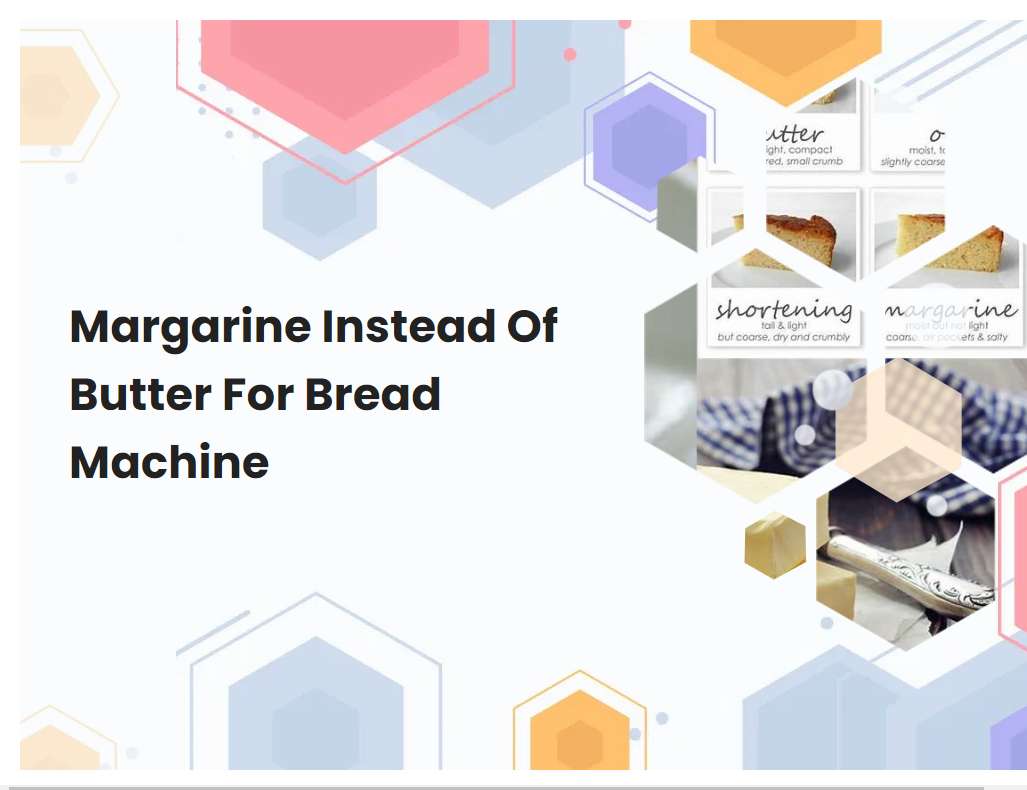
Margarine is a good substitute for butter in bread machines, as it has a similar effect on the texture and consistency of the finished product.
Margarine is a great substitute for butter in bread machines due to its ability to produce the same texture and consistency as butter. It has a high fat content, which helps to keep the dough moist and pliable during the kneading process. The emulsifiers in margarine also allow it to create a light, airy texture in the finished product.
Additionally, margarine has a neutral flavor, so it won't overpower the other ingredients in the recipe. When using margarine instead of butter, it's important to use a non-hydrogenated variety and to adjust the liquid content of the recipe accordingly. Finally, it is important to know that margarine contains more water than butter, which can lead to a slightly longer baking time. However, following the instructions on the recipe and adjusting the amount of margarine accordingly will ensure a delicious and successful result.
Margarine has a higher water content than butter, so you should use slightly less than the amount of butter called for in the recipe.
When baking, it is important to know the difference between margarine and butter. Margarine is made from vegetable oils and has a higher water content than butter which is made from animal fats. This means that when substituting margarine for butter in a recipe, you should use slightly less than the amount of butter called for.
This will help to ensure that the recipe will turn out correctly. The best way to do this is by measuring the margarine before adding it to the recipe. If you are using margarine sticks, you can use a kitchen scale to measure the margarine by weight. If you are using tub margarine, use a measuring spoon to measure out the correct amount. Remember that when using margarine, it will not have the same texture and flavor as butter, so this may affect the overall result of the recipe.
See also: Can You Open Bread Machine While Kneading
Margarine is also much softer than butter at room temperature, so it should be brought to a cooler temperature before adding to the dough.
Margarine is a great alternative to butter when baking, as it is usually lower in fat and cholesterol. It has a softer consistency than butter at room temperature, making it easier to mix into doughs and batters. When adding margarine to doughs, it should be cooled down to a firmer texture so that it can be incorporated properly.
This can be done by refrigerating the margarine for a few minutes or placing it in an ice bath. Once the margarine has cooled, it can then be mixed with the other ingredients and added to the dough. The cooled margarine will provide a smoother texture to the finished product and help the dough hold together better.
See also: Hand Mix Dough Before Placing In Bread Machine
Make sure to use margarine that is specifically labeled as suitable for baking as some margarine products are not suitable.
When baking, it is important to make sure that you are using the right type of margarine. Not all margarines are suitable for baking, so it's important to double check the label. Choose a margarine that is specifically labeled as suitable for baking.
These margarines will typically be made with a higher percentage of vegetable oil and may contain special ingredients such as emulsifiers that help give baked goods a better texture and flavor. Be sure to avoid margarines that are labeled as spreadable or spreads as they contain a higher percentage of water and other ingredients that can affect the outcome of your baked goods. Using the right type of margarine will ensure your baked goods turn out perfectly every time.
See also: Baking Sourdough Bread In A Bread Machine
If using a recipe that calls for butter, you can use one part margarine to two parts butter for a similar result.
When a recipe calls for butter, you can substitute margarine for a similar result. Since margarine is made from vegetable oil and contains a higher water content than butter, the two cannot be substituted at a 1:1 ratio. Instead, the best way to make a successful substitution is to use one part margarine to two parts butter.
This will help to ensure that your dish retains the same buttery flavor and texture. It is important to note that margarine is not as shelf-stable as butter, so you should make sure that it is stored in an airtight container in the refrigerator. Additionally, you may find that the texture of your dish is slightly different when using margarine instead of butter, so you may need to adjust the amount of other ingredients accordingly.
See also: Bread Machine Pizza Dough Not Turning Out
Adding too much margarine can result in a soggy or crumbly texture, so use a measuring cup to make sure you get the right amount.
Using the correct amount of margarine is essential for achieving the desired texture in baked goods. Too much margarine can lead to a soggy or crumbly texture, which can ruin an otherwise perfect cake or cookie. To avoid this, it is important to measure out the margarine before adding it to the recipe.
A measuring cup is the best tool for this task, as it ensures that the proper amount is used each time. Measuring cups come in a variety of sizes, so it is important to choose one that is appropriate for the recipe. Additionally, they should be washed and dried after each use to avoid cross-contamination. With these tips, you can make sure that your baked goods come out just right every time.
See also: How To Use Betty Crocker Bread Machine
Margarine can be used in place of butter when making sweet breads, such as banana or pumpkin breads.
Margarine can be a great substitute for butter when baking sweet breads such as banana or pumpkin breads. Margarine is made from vegetable oils that are processed to resemble the taste and texture of butter, and is lower in saturated fat than butter. When substituting margarine for butter, it is important to choose a soft margarine or a spreadable margarine that contains 80% or more vegetable oil.
It is also important to ensure that the margarine does not contain any hydrogenated fats, as these can have a negative effect on health. Margarine should be used at room temperature, so it is important to remove it from the refrigerator 30 minutes before using. When substituting margarine for butter in a recipe, it is important to decrease the baking temperature by 25 degrees Fahrenheit as margarine melts faster than butter. Additionally, reduce the amount of liquid in the recipe by 2 tablespoons for every 1 cup of margarine used. Lastly, when substituting margarine for butter in a recipe it is important to keep an eye on the baking time, as the baking time may need to be adjusted due to the differences in the melting points between margarine and butter.
Margarine is not an acceptable substitute for butter when making croissants or other pastry-type doughs.
When making croissants and other types of pastries, butter is essential for achieving the desired flaky texture. Margarine is not an acceptable substitute for butter in these recipes due to its higher water content and lower fat content. Margarine contains more liquid than butter, which can result in a dough that is too wet and heavy when making pastries.
The lower fat content in margarine also means that it does not solidify as much as butter when chilled, which is an important step in creating the thin, layered texture of croissants and other pastry doughs. Additionally, margarine has a higher melting point than butter and can release steam when baking, which can cause the layers of pastry dough to become soggy and dense. For these reasons, butter is always the preferred choice when making croissants and other pastry doughs.
If you're using margarine instead of butter, you may need to adjust your baking time slightly due to the higher water content in margarine.
Margarine is a popular alternative to butter when baking, but it can affect the end result of your recipes. This is because margarine contains more water than butter, so it needs to be taken into account when adjusting baking times. When using margarine in place of butter, the baking time may need to be lengthened slightly due to the higher water content.
This is because the water evaporates much more slowly in margarine than it does in butter, causing the food to take longer to bake. Additionally, margarine tends to brown faster than butter, so you may need to reduce the oven temperature slightly to prevent your food from burning. With these few simple modifications, you can still enjoy delicious baked goods even when using margarine instead of butter.
Be sure to check the expiration date on your margarine before using it in your bread machine, as it can affect the quality of the finished product.
When using margarine in a bread machine, it is important to be mindful of the expiration date. Margarine that has expired can affect the quality of the finished product, resulting in a less than desirable outcome. When selecting margarine, look for one with a long shelf life and make sure to check the expiration date before putting it in the bread machine.
If the margarine is expired, it should not be used, as this can cause the bread to come out dry or lead to other baking issues. Fresh, high-quality margarine is essential to achieving the desired result in a bread machine recipe.





