Difference Between Bread Machine Yeast And Normal Yeast
Bread machine yeast and normal yeast are two common types of yeast used in baking, but there are some differences between them. Bread machine yeast is a specific type of yeast created for use in bread machines, while normal yeast is the traditional type that has been used for centuries in baking. Both types of yeast can be used to make bread, but the differences between them should be taken into account when deciding which type to use.
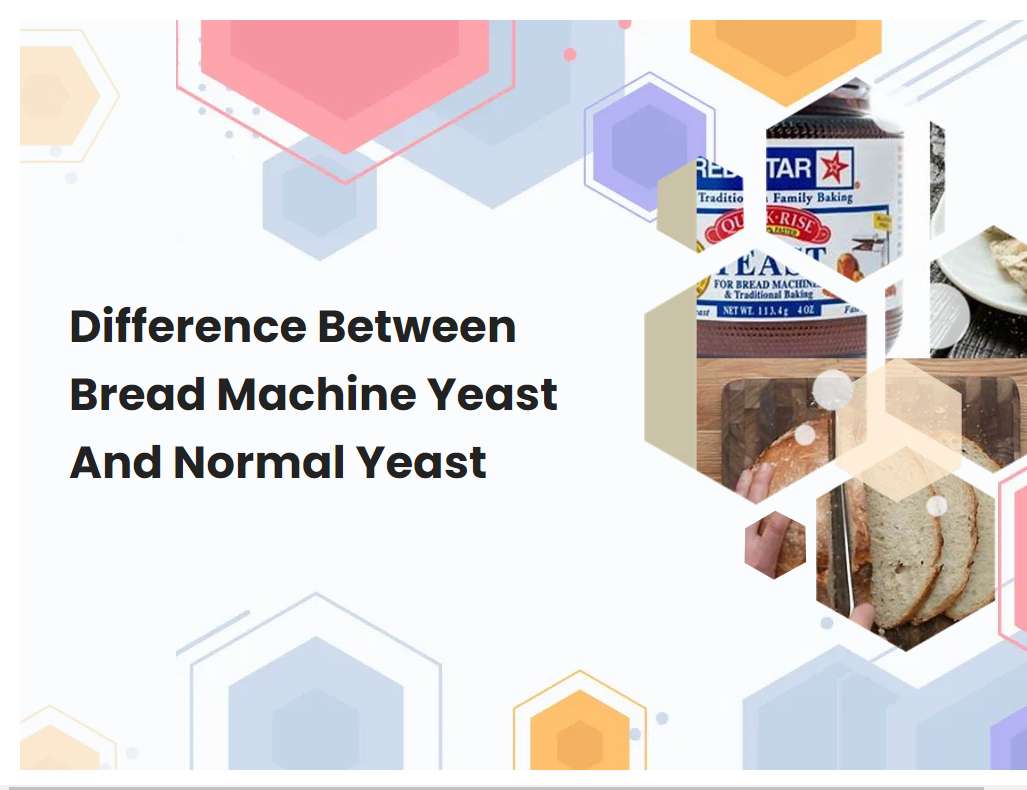
Bread machine yeast is a type of instant yeast specifically designed to be used in bread makers. It is more finely milled than regular yeast, which makes it easier to dissolve in liquids.
Bread machine yeast is an instant yeast that is specifically formulated to be used in bread makers. It is a great choice for baking breads because it is more finely milled than regular yeast, which means it dissolves quickly and easily in liquids. This helps ensure that your dough will rise properly and evenly.
Bread machine yeast also has a longer shelf life than regular yeast, so you can keep it on hand for whenever you need it. With bread machine yeast, you can easily bake delicious loaves of bread without having to worry about the rising process.
Bread machine yeast does not require proofing, or the activation of the yeast in warm liquid before use.
Bread machine yeast is a special type of yeast designed for use in bread machines. This type of yeast has been formulated specifically for bread machine use and does not require proofing. Unlike other types of yeast, bread machine yeast does not need to be activated by mixing it with warm liquid before use.
Instead, the dry granules are added directly to the dry ingredients in the bread machine, and the machine does the rest. This makes it easier and more convenient to use than other types of yeast, and it also ensures that breads made with bread machine yeast will have a consistent rise each time. Bread machine yeast is an excellent choice for busy bakers who want to make sure their breads turn out perfectly every time.
See also: Can I Make Banana Bread In A Bread Machine
Regular yeast requires proofing and can take up to 10 minutes to activate before use.
Proofing yeast is the process of activating it before use. All you need is some warm water, a few tablespoons of sugar, and the yeast. Start by combining the sugar and yeast in a bowl and stirring to combine.
Then add the warm water, stirring until it is fully incorporated. Let the mixture sit for about 10 minutes and you will notice that it begins to foam and bubble, this means that your yeast is proofing and is ready for use. When your yeast is done proofing, you can add it to your recipe. If you are making bread you will want to mix it with the other dry ingredients before adding the wet ingredients. For the wet ingredients, make sure the temperature is between 105-115 degrees Fahrenheit so you don't kill the yeast. Once your yeast is proofed and added to the recipe, it will begin to do its job of leavening your dough.
See also: Bread Machine Herb Topped Bread Dough To Bake In Oven
Bread machine yeast is more expensive than regular yeast.
Bread machine yeast is a specialized type of yeast designed for use in bread machines. It is often more expensive than regular yeast due to its specialized nature. The biggest difference between regular yeast and bread machine yeast is primarily in their size.
Bread machine yeast is much finer and comes in the form of granules, while regular yeast is sold in larger, flaky pieces. This finer consistency allows it to be mixed more easily with other ingredients, making it ideal for use in bread machines, where doughs have to be thoroughly blended together. Additionally, bread machine yeast is pre-hydrated, meaning that it doesn't need to be activated with warm water before use as regular yeast does. This makes it more convenient and also reduces the risk of over-activation, which can affect the texture and flavor of the finished product.
See also: How Do I Use The Breadman Trillium Bread Machine
Bread machine yeast should be added directly to the dry ingredients of a bread recipe, whereas regular yeast should be activated by proofing before adding to the recipe.
When making bread, it is important to know the difference between regular yeast and bread machine yeast. Regular yeast needs to be proofed before adding it to the recipe. This means that the yeast is combined with warm water and a teaspoon of sugar, and then left for five minutes until it becomes foamy.
This process activates the yeast before it is added to the dry ingredients. Bread machine yeast, on the other hand, does not require proofing and can be added directly to the dry ingredients. When using bread machine yeast, it is important to add the other ingredients as soon as possible to ensure that the yeast is active. It is also important to note that bread machine yeast is more powerful than regular yeast, so less of it needs to be used in a recipe. Following these instructions will help to ensure that your bread turns out perfectly!
See also: How To Make Peach Jam In Bread Machine
Bread machine yeast has a shorter shelf life than regular yeast.
Bread machine yeast is a form of active dry yeast that is specially designed for use with bread machines. It is usually sold in vacuum-sealed packets or jars and is available in both fast-acting and regular varieties. The main difference between bread machine yeast and regular active dry yeast is that bread machine yeast is finer in texture, allowing it to dissolve more quickly in liquid.
This difference also means that bread machine yeast has a shorter shelf life than regular active dry yeast typically only 6-8 months. To ensure the best results, it is important to store bread machine yeast in a cool, dry place, and always check the expiration date before using. Additionally, bread machine yeast should be kept separate from other baking ingredients, as cross-contamination can negatively affect the leavening process.
See also: Platinum Instant Sourdough Yeast In Bread Machine
Bread machine yeast is best used with recipes specifically designed for bread machines, while regular yeast can be used with any recipe.
Bread machine yeast is a specialized form of yeast that is specifically formulated to work with recipes designed for use in bread machines. It is a highly active strain of yeast that is capable of withstanding the extended kneading and rising cycles that are typically used in bread machines. It is also more tolerant of the warmer temperatures often generated inside a bread machine and will not die off as quickly as traditional yeast would.
This makes it ideal for recipes where the dough needs to rise for a long period of time. Regular yeast, on the other hand, can be used with any recipe and is better suited for recipes that involve shorter rising times. While regular yeast can be used in a bread machine, it may not be as reliable as bread machine yeast since it may die off sooner or not rise as well. Ultimately, it is best to use the type of yeast that is specifically designed for the recipe you are making.
Bread machine yeast can be used in bread makers that have a timer and that can be programmed to make breads at certain times, while regular yeast will not work in these machines.
Bread machine yeast is a special type of yeast that is specifically designed to be used in bread makers. It is a fast-acting yeast that activates quickly and works well with the timed settings on bread makers. Unlike regular yeast, bread machine yeast does not require proofing, or activating, in warm water before use.
This makes it a great choice for those who want freshly-baked bread at a certain time. When using bread machine yeast in a bread maker, it is important to measure the yeast accurately and follow the instructions on the package. Bread machine yeast also produces less carbon dioxide than regular yeast, so breads made with bread machine yeast will rise more slowly and may not rise as high as those made with regular yeast. It is important to adjust the settings on the bread maker accordingly so that the bread does not rise too quickly and overflow the machine.
Bread machine yeast should not be used in recipes that require long rising times as it will not rise as well as regular yeast.
Bread machine yeast is a specialized form of active dry yeast designed specifically for use in bread machines. Its smaller granules and higher moisture content allow it to dissolve more quickly in liquids, resulting in a faster rise time. Bread machine yeast is not recommended for recipes that require a long rising time, such as some breads and sourdoughs, as its smaller granules will not create enough carbon dioxide gas to produce a full rise.
Regular active dry yeast or instant yeast should be used instead. For breads that require a shorter rise time, bread machine yeast can be used with great success. When using bread machine yeast, it is important to follow the recipe's instructions closely, as different recipes may require different amounts of yeast.
Bread machine yeast should be stored in a cool, dry place, while regular yeast should be stored in the refrigerator or freezer for extended shelf life.
Bread machine yeast and regular yeast are two different types of baking yeast, and each should be stored differently to maximize shelf life. Bread machine yeast should be stored in a cool, dry place, such as a cupboard or pantry. It is important to keep it away from heat sources, such as ovens and stoves, and away from direct sunlight.
Regular yeast, on the other hand, should be stored in the refrigerator or freezer. This will help to preserve the freshness of the yeast for longer. It is important to keep regular yeast in an airtight container, and to check it regularly for any signs of spoilage. Proper storage of both types of yeast will help ensure that your baked goods come out perfectly every time.





