Bread Machine Yeast Vs Instant Dry Yeast
Yeast is a single-celled organism that is essential for baking bread. Yeast is what makes bread rise, giving it an airy texture. Yeast is available in two forms: bread machine yeast and instant dry yeast. Both are effective, but they have their differences in terms of preparation and use.
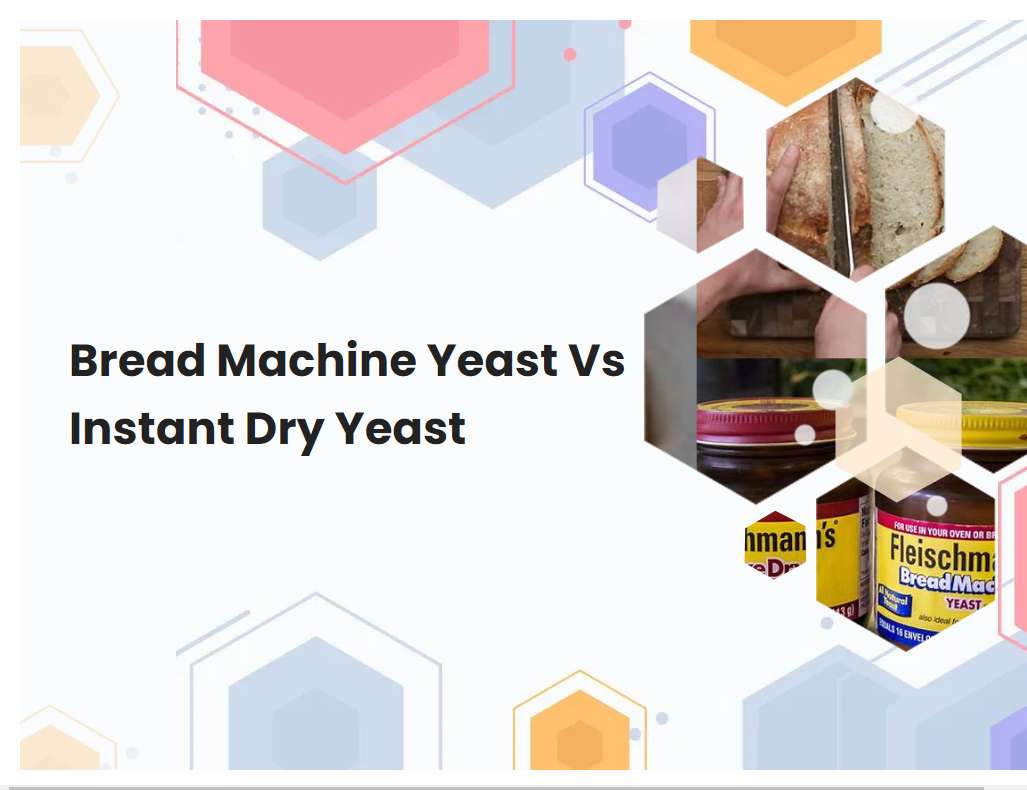
Bread machine yeast is an active dry yeast specifically packaged for use in bread machines.
Bread machine yeast is an active dry yeast that is specially formulated for use in bread machines. It is typically sold in small packets or jars, and is designed to help ensure a successful result when using a bread machine. Unlike standard active dry yeast, bread machine yeast is formulated to have a higher tolerance of varying temperatures and can handle the long periods of kneading associated with bread machines.
Bread machine yeast is also designed to produce a softer crumb, providing a more enjoyable texture in the finished product. Additionally, bread machine yeast often contains dough enhancers such as ascorbic acid and enzymes which help break down the starches and proteins in flour, producing a better texture and flavor in the finished product.
Instant dry yeast is a version of active dry yeast that can be used in any type of baking, including bread machines.
Instant dry yeast is a type of active dry yeast that is ideal for home baking, especially bread machines. It provides a quicker rise time than regular active dry yeast, so it is perfect for busy bakers who need their bread to rise quickly. To use instant dry yeast, simply add it to the dry ingredients, then add the wet ingredients as usual.
No proofing or dissolving is required. This yeast is a great choice for any type of baking, including breads, pizza dough, and sweet rolls. It also works well with specialty flour blends, like whole wheat and rye. Instant dry yeast is also shelf-stable for up to two years, so it is a cost-effective option for those who bake frequently.
See also: How To Fix Lopesided Loafs In Bread Machine
Bread machine yeast is typically sold in pre-measured packets, while instant dry yeast is typically sold in jars or packets.
Bread machine yeast and instant dry yeast are both types of yeast used for baking breads and other yeasty treats. Bread machine yeast is a specialized type of yeast that is designed to work well in bread machines, and is typically sold in pre-measured packets. Instant dry yeast, on the other hand, is a more general type of yeast that can be used in any type of bread-making, and is usually sold in jars or packets.
The primary difference between the two is that bread machine yeast is designed to activate quickly and rise more quickly, while instant dry yeast takes longer to activate and rise. In terms of preparation, bread machine yeast is easy to use since it comes pre-measured, while instant dry yeast requires measuring out the correct amount. Additionally, bread machine yeast may require extra steps such as proofing before use, while instant dry yeast can be added straight to the dough.
See also: How To Make Kolaches With Bread Machine
Bread machine yeast may be more expensive than instant dry yeast due to the packaging.
Bread machine yeast, also known as active dry yeast, is a type of yeast specifically designed for use in bread machines. It is usually sold in small foil packages and is more expensive than regular instant dry yeast. This is because of the special packaging that helps to keep the yeast fresh and active.
The packaging also ensures that the yeast will remain separated from the other ingredients in the bread machine, preventing it from becoming too moist and losing its potency. Bread machine yeast also contains additional ingredients, such as emulsifiers, which help to keep it in a consistent form and make it easier to use in bread machines. As a result, bread machine yeast may be more expensive than instant dry yeast, but it allows for better results when using a bread machine.
See also: How To Make Ezekiel Bread In A Bread Machine
Bread machine yeast is usually a bit more active than instant dry yeast, so you may need to use less in your recipes.
Bread machine yeast, also known as active dry yeast, is a type of yeast specifically designed for use in bread machines. It is usually more powerful than instant dry yeast, and therefore requires less to be used in recipes. This makes it an ideal choice for bread makers, as it ensures a quicker rise and a lighter, fluffier loaf.
Bread machine yeast is made from a special strain of Saccharomyces cerevisiae, which gives it a higher tolerance for higher temperatures and longer fermentation times, resulting in better results in breads. It needs to be rehydrated before use, so it's important to follow the instructions on the packet to ensure optimal results.
See also: Copycat Little Caesars Crazy Bread Bread Machine
Instant dry yeast is often recommended for longer rising times because it is less prone to over-fermentation.
Instant dry yeast is a type of yeast that is perfect for breads and doughs that require a longer rising time. This type of yeast is dried and pre-measured, so it is easy to use compared to traditional fresh yeast. It also has a longer shelf life than traditional fresh yeast, so it can be stored for a longer period of time and used when needed.
One of the main benefits of using instant dry yeast is that it is less prone to over-fermentation, which can lead to a dough that is too dense or sour. This makes it ideal for recipes that call for longer rising times, such as sourdough bread, as it helps to ensure a more even rise. Additionally, it produces a greater volume of carbon dioxide than other types of yeast, which helps to give breads and doughs a light, airy texture. When using instant dry yeast, it is important to follow the recipe instructions as to amount and mixing time, as this will help ensure that the desired results are achieved.
See also: Beast And Easiest Bread Machine For Home Use
Both types of yeast should be stored in a cool, dry place, away from direct sunlight and moisture.
Yeast is an essential ingredient in baking, brewing, and other culinary endeavors. To ensure that it performs its best, it is important to store it properly. Both types of yeast, active dry and instant, should be stored in a cool, dry place such as a cupboard or pantry.
It is also important to keep yeast away from direct sunlight and moisture. Direct sunlight can cause yeast to become too hot, while moisture can cause it to become too wet and not activate correctly. Storing yeast in an airtight container or bag can help keep it fresh and prevent it from spoiling. An unopened package of yeast should last up to two years if stored properly. Once the package is opened, the yeast should be used within four months to ensure optimal performance. Following these guidelines will ensure that the yeast is always fresh and ready for use.
Bread machine yeast should be used within 6 months of opening, while instant dry yeast can be used up to 2 years after opening.
Bread machine yeast and instant dry yeast are both types of active dry yeast, which is widely used in baking. The main difference between the two is their shelf life. Bread machine yeast should be used within 6 months of opening, as it is more sensitive to moisture and can lose its potency over time.
On the other hand, instant dry yeast can be used up to 2 years after opening, as it is more stable and can last longer in storage. It's important to pay attention to the expiration date on the packaging and to store your yeast in a cool, dry place. Both types of yeast should be proofed before use, which involves stirring it into warm water until it becomes foamy. With proper storage and usage, both bread machine yeast and instant dry yeast can be used to make delicious, homemade breads.
Both types of yeast should be tested before use to ensure that they are still active and viable.
Before using any type of yeast, it is important to test the yeast to ensure it is still active and viable. This can be done by proofing the yeast in a solution of warm water, sugar, and yeast. The temperature of the water should be between 105-110 degrees Fahrenheit.
The sugar should provide food for the yeast, allowing it to multiply and foam up as it ferments. If the yeast is still active and viable, it will start to foam and bubble within 10 minutes. If the yeast does not foam or bubble, it is likely not viable and should be discarded. It is also important to check the expiration date on the packaging before using the yeast, as past this date the yeast may no longer be active.
Yeast should be added to the dry ingredients first, then the wet ingredients, when making bread with a bread machine.
When using a bread machine to make bread, the yeast should be added to the dry ingredients before adding the wet ingredients. This is important because the yeast needs to be well-mixed with the other dry ingredients such as flour, salt, and sugar in order to activate in the presence of liquids. If the yeast is added after the wet ingredients, it may not mix properly with the other ingredients, reducing its effectiveness and resulting in a loaf of bread that doesn't rise properly.
To ensure that the yeast is incorporated evenly, add it to the dry ingredients in the bread machine, then add the wet ingredients. With this method, your bread will rise well and have an even texture that's perfect for slicing and enjoying.





