How To Make Gluten Free Bread Using Bread Machine
Gluten-free bread can be a delicious and nutritious alternative to traditional wheat-based bread. Making gluten-free bread at home can be tricky, but with a bread machine, it[sq]s much easier. In this article, we will discuss the basics of how to make gluten-free bread using a bread machine.
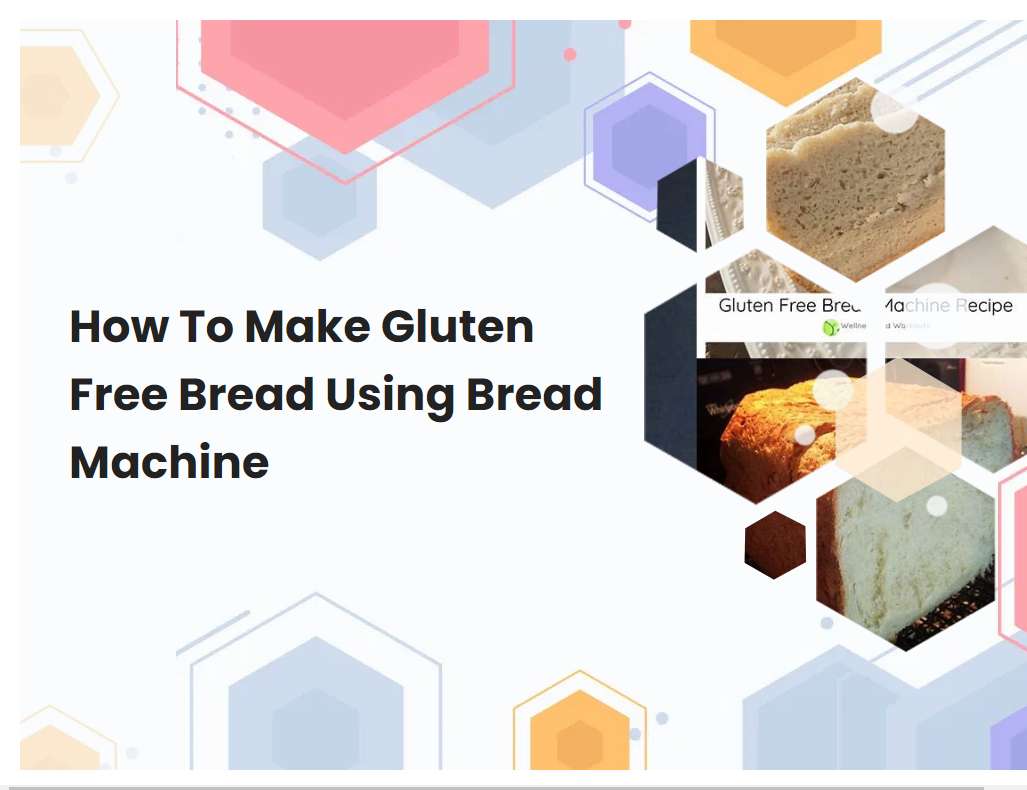
Choose a gluten-free bread mix that is specifically designed for use in a bread machine.
If you are looking for a gluten-free bread mix specifically designed for use in a bread machine, Bob's Red Mill Gluten Free Bread Machine Mix is an excellent choice. This mix is made with top-quality ingredients, including brown rice flour, potato starch, tapioca flour, and xanthan gum, which make it both delicious and nutritious. It also contains psyllium husk powder, which adds dietary fiber to the loaf and helps make it easier to digest.
The mix is easy to use just add water and oil of your choice, and the bread machine will do the rest! The result is a light and fluffy gluten-free loaf that can be enjoyed as a snack or used for sandwiches, toast, or even French toast. Plus, it's vegan-friendly, so everyone can enjoy it!
Measure out the ingredients in the recipe carefully and add them to the bread machine in the order specified by the manufacturer of the bread machine.
When making bread in a bread machine, it is important to measure out all the ingredients carefully and add them in the order recommended by the manufacturer. This ensures that the dough is kneaded correctly and the ingredients are evenly distributed. To start, measure out the wet ingredients such as milk, water, butter, oil, eggs, and honey.
Once these are collected, add them to the bread machine in the order specified by the manufacturer. Next, measure out the dry ingredients such as flour, sugar, salt, and yeast. These should also be added to the machine in the order recommended by the manufacturer. Finally, any additional ingredients such as fruits, nuts, or spices can be added to the bread machine. Once all the ingredients are added, follow the instructions on the bread machine for completing the rest of the process.
See also: Making Whilemeal Spelt Bread In Bread Machine
Choose the appropriate setting for making gluten-free bread in your bread machine.
When making gluten-free bread in a bread machine, it is important to select the appropriate setting. You will want to select the gluten-free or specialty settings that are available on some bread machines. These settings are specifically designed for baking gluten-free breads and will adjust the kneading, rising, and baking times according to the specific needs of the gluten-free ingredients.
If your bread machine does not have a gluten-free setting, you can still use it to make gluten-free bread. You will likely need to adjust the kneading, rising, and baking times to ensure that the bread is cooked properly. Additionally, you may need to decrease the yeast by 1/3 to ensure that the bread does not rise too quickly. Following these steps will help you achieve a delicious, gluten-free loaf of bread from your bread machine.
See also: Fleischmann's Bread Machine Yeast Vs Instant Yeast
Select the size of the loaf you want to make, and set the timer for the desired length of time.
When baking a loaf of bread, it is important to select the size and shape of the loaf desired and then set the timer for the desired length of time. Depending on the size of the loaf, the timer setting will vary. Generally, a small loaf of bread will take less time to bake than a larger one.
As a general guide, a smaller loaf should be baked for around 25-30 minutes while a larger loaf should be baked for around 45-50 minutes. It is important to ensure that the timer is set correctly so that the loaf is not over or underbaked. It is also important to check the loaf periodically during baking to ensure that it is not burning. Once the timer goes off, the loaf should be removed from the oven and allowed to cool before slicing and serving.
See also: Knead In A Bread Machine And Take Out To Rise
Preheat the bread machine before adding your ingredients.
Preheating your bread machine is an important step in the bread making process and should not be overlooked. Preheating helps to ensure that your dough will rise properly and that all of the ingredients will be evenly distributed throughout the dough. To preheat your bread machine, begin by turning it on and setting the temperature to the Preheat setting.
This setting is usually marked on the display or control panel. Once this setting is chosen, you will need to wait until the machine has had a chance to reach the selected temperature. Once it has reached the desired temperature, you can then add all of your ingredients according to the recipe. This step is essential for ensuring that the dough will rise properly and will have a consistent texture and flavor throughout.
See also: Vegan Banana Bread In The Bread Machine
Make sure that all ingredients are gluten-free, including any seasonings or spices.
When shopping for gluten-free ingredients, it's important to read labels carefully and double check to ensure that all items purchased are indeed gluten-free. This includes any seasonings or spices that you may use in your recipes. Many common seasonings, such as onion powder or garlic powder, are naturally gluten-free.
However, some seasonings may be labeled as seasoned, blended, or mixed and may contain gluten. It's important to double check the label of any seasoning or spice blends you purchase to make sure they are gluten-free. Additionally, many store-bought sauces, such as soy sauce, may contain gluten and should be avoided if on a gluten-free diet. Finally, always be sure to check any added ingredients such as thickeners, flavorings, and preservatives for gluten. It's best to stick to natural, gluten-free ingredients for your recipes to ensure a safe, delicious meal.
See also: How To Make Crusty French Baguette Bread Machine
Use a thermometer to make sure that your bread has reached the proper internal temperature of 180°F before removing it from the bread machine.
Using a thermometer is an important step to ensure that your bread has been cooked to the proper internal temperature. Before removing your bread from the bread machine, you should use a thermometer to make sure that the internal temperature of the bread has reached 180°F. This temperature is important as it ensures that your bread has been cooked through and is safe to eat.
If the temperature is too low, your bread may be undercooked and could be a health hazard. Additionally, if the temperature is too high you can burn your bread. Therefore, using a thermometer is a key step in making sure that your bread is cooked safely and correctly.
Set aside time to let the bread cool before slicing or cutting it.
The importance of allowing bread to cool before slicing or cutting it cannot be overstated. Allowing the bread to cool for an adequate amount of time is essential for both taste and texture. When bread is freshly baked, the moisture from the interior is still being released into the crust, making it very soft and prone to tearing.
If you attempt to cut into it too soon, the bread may be too fragile and may not hold its shape. Additionally, the flavor of the bread will not be fully developed until it has cooled. For this reason, it is important to set aside enough time to allow the bread to cool before slicing or cutting into it. Ideally, you should wait at least fifteen minutes before cutting into freshly baked bread. If the bread is left in a warm spot, such as near an oven or on top of the stove, this process can be accelerated. But if you are in a rush, you may want to consider slicing the bread after it has cooled for at least five minutes.
Store your gluten-free bread in an airtight container to keep it fresh longer.
It is important to store gluten-free bread in an airtight container to ensure it stays fresh for longer. An airtight container will help to keep moisture out and prevent staleness. You can purchase an airtight container specifically designed for storing bread or use other containers such as a large plastic container with a tight-fitting lid or a plastic zipper bag.
Make sure to remove as much air as possible from the container before sealing it so that it is completely airtight. If the container is too large, you can also store the bread in a plastic bag and then place it inside the container. To keep the bread from getting moldy, you can sprinkle some uncooked rice in the bottom of the container before storing the bread. This will absorb any moisture and help keep the bread fresh for up to a week.
Enjoy your gluten-free bread!
Gluten-free bread is the perfect alternative for anyone with a gluten intolerance or sensitivity. Not only is it free of gluten, but it also offers a delicious and nutritious alternative to traditional bread. Gluten-free bread is made from a variety of ingredients, such as rice flour, tapioca starch, almond flour, and potato starch.
This combination of ingredients creates a bread that is suitable for those on a gluten-free diet, as it does not contain any gluten. Additionally, gluten-free bread is often made with additional ingredients like flaxseed or chia seeds to increase its nutritional value. Gluten-free bread can be used in place of traditional bread in many recipes and can even be used to make sandwiches, toast, or grilled cheese. Enjoying a gluten-free bread is a great way to ensure that you are getting all of the nutrition your body needs while still avoiding gluten.





