Gluten Free Bread In A Bread Machine
Gluten-free bread is a type of bread made without any ingredients that contain gluten. It is an excellent alternative for those who are gluten intolerant or suffer from Celiac disease. Making gluten free bread in a bread machine can be a convenient way to enjoy a variety of freshly baked breads without the hassle of having to mix and knead dough by hand.
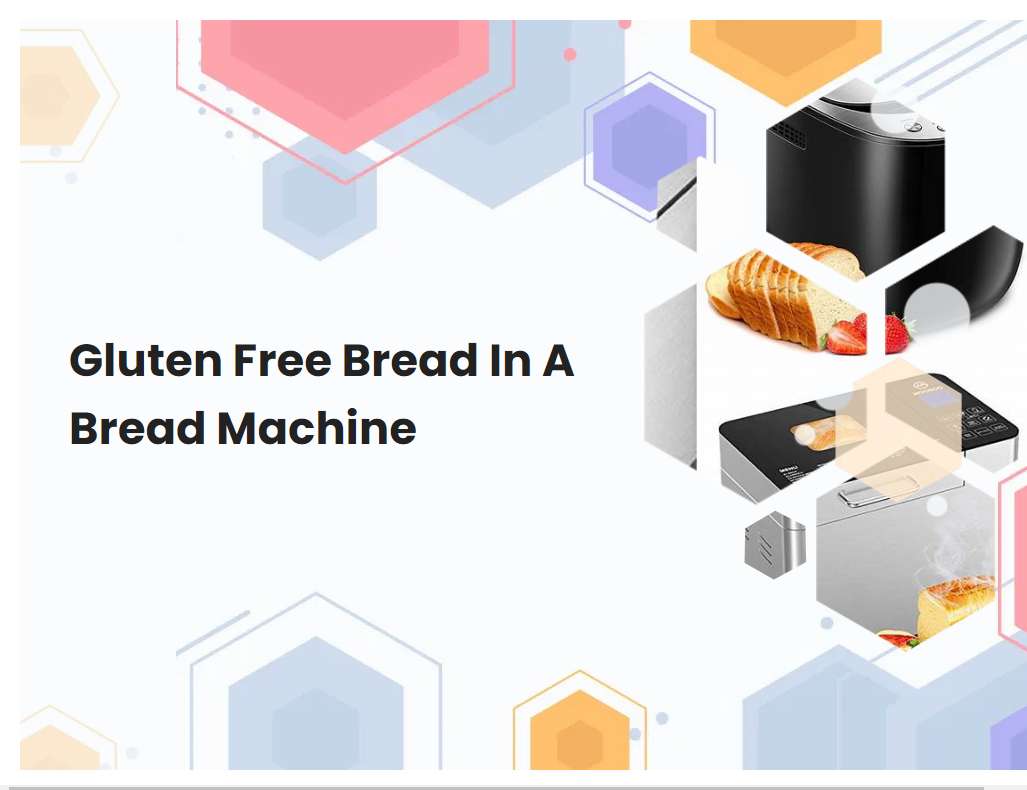
Read the instructions for your specific bread machine carefully before beginning.
It is important to read the instructions for your specific bread machine carefully before beginning. Your bread machine likely came with a manual or user guide that provides detailed information about how to use the machine. This manual will explain the parts and functions of the bread machine, as well as provide step-by-step instructions for preparing various types of dough and bread.
It is important to read and understand the instructions for adding ingredients, setting the timer and selecting the proper cycle. Additionally, the manual may provide helpful tips on troubleshooting common problems and taking care of your bread machine. By reading the instructions for your bread machine carefully, you can ensure that you use it safely and correctly, and enjoy freshly baked bread with minimal effort.
Choose a gluten-free recipe that is designed for use in a bread machine.
A great gluten-free recipe for use in a bread machine is a Gluten-Free Honey Oat Bread. This delicious and easy-to-make recipe requires only a few basic ingredients and a bread machine. To make this delicious loaf of bread, you'll need to combine oats, gluten-free flour, honey, yeast, salt, and warm water.
Then, pour the mixture into your bread machine and select the gluten-free cycle. The cycle will take approximately 3 hours and will produce a soft and moist loaf of bread that is perfect for sandwiches, toast, or just enjoying on its own. This recipe is a great way to get the bread you crave without sacrificing flavor or texture. Enjoy!
See also: Bread Machine Tips For Lighter Higher Loaves
Make sure all ingredients used in the recipe are gluten-free.
When preparing a gluten-free recipe, it is important that all ingredients used are certified gluten-free. This means that the raw ingredients, such as flours, grains, pastas and other starches, must be made with gluten-free ingredients and processed in a facility free of gluten. Additionally, all other ingredients, such as condiments, sauces, spices and baking ingredients, must also be certified gluten-free.
It is important to read labels carefully and check the ingredient list for any possible sources of gluten. If a product is labeled gluten-free, it can be assumed that all of the ingredients used to make the product have been verified as gluten-free. When preparing a gluten-free recipe, it is also important to ensure that all of the utensils and equipment used are also gluten-free. Cross contamination from utensils and equipment that have come into contact with gluten can ruin a gluten-free recipe. Taking the time to ensure that all ingredients and equipment are certified gluten-free is the best way to ensure that a gluten-free recipe is successful.
See also: How To Make Kolaches With Bread Machine
Use a separate bowl and utensils to avoid cross contamination if you are not using a dedicated gluten-free bread machine.
When baking gluten-free bread in a shared bread machine, it is important to take extra precautions to avoid cross contamination. It is best to use a separate bowl and utensils when preparing the dough. This will help to prevent any stray particles of gluten from being introduced into the dough.
Additionally, you should make sure to thoroughly wash your hands and any utensils that have come into contact with gluten before handling the gluten-free dough. If possible, try to use a dedicated gluten-free bread machine, as this will reduce the risk of cross contamination even further. Taking these extra steps will ensure that your gluten-free bread is safe to eat and free from contamination.
See also: Easy Brownies With No Eggs In Bread Machine
Choose the right gluten-free flour blend for your recipe.
When it comes to baking with gluten-free flour, there is no one-size-fits-all approach. Different recipes call for different flour blends and it is important to choose the right gluten-free flour blend to ensure a good result. To begin, consider the type of recipe you are making and the desired finished product.
For example, if you are making a cake, you may want to go with a blend that includes starches such as potato starch, tapioca starch, and/or corn starch for lightness and fluffiness. If you are making a bread, you may want to opt for a blend that contains higher protein flours, such as sorghum flour and/or almond flour, as well as starches for a better rise. Additionally, some gluten-free flour blends are specifically formulated for recipes that require a specific texture, such as pizza dough or pie crusts. Once you have chosen the right gluten-free flour blend, it is important to weigh the ingredients when baking. This ensures that the proper proportions of ingredients are used in your recipe and that the correct amount of gluten-free flour is used. Additionally, if you are using a pre-made gluten-free flour blend, make sure that it is labeled as such and that it does not contain any sources of gluten. Choosing the right gluten-free flour blend for your recipe can be a bit tricky, but with a bit of research and experimentation, you should be able to find the perfect blend for your specific needs. With the right combination of flours and starches, you can create delicious baked goods that are just as tasty as traditional recipes without the gluten!
See also: How To Set Baking Paper On Bread Machine
Ensure that all ingredients, including yeast, are fresh.
Using fresh ingredients, including yeast, is essential when baking. Yeast is a living organism and needs to be used within a certain time frame in order to be effective. When selecting yeast, you should look for packages that are not past their expiration date.
If you opt for active dry yeast, it should be rehydrated before using. When using fresh yeast, it should be crumbled into small pieces and added to the recipe when warm liquids are added. Other ingredients, such as flour, should also be checked for freshness. Make sure the flour is not clumped together, indicating that it has been exposed to moisture and could contain bacteria. Old flour can also affect how your baked goods turn out, as it will not have the same rising power as fresh flour. Always use fresh ingredients to ensure the best results.
See also: Is Bread Machine Yeast The Same As Quick Rise
Use lukewarm water when adding liquid ingredients to the bread machine.
When adding liquid ingredients to a bread machine, it is important to use lukewarm water. Lukewarm water is generally defined as water that is between room temperature and body temperature, or between 70-80 degrees Fahrenheit. This temperature is ideal for bread machines because it is not too hot or too cold.
Adding hot water to the bread machine can cause the yeast to be killed, resulting in a loaf that doesn't rise properly. Cold water can also slow down the rising process, resulting in a dense loaf of bread. Lukewarm water helps activate the yeast and allows it to rise properly. Additionally, lukewarm water helps ensure that all other ingredients are evenly distributed throughout the dough. Using lukewarm water when making bread in a bread machine will result in a delicious and fluffy loaf of bread.
Add wet ingredients first followed by dry ingredients and then yeast.
When making bread, it is important to pay attention to the order of the ingredients. The wet ingredients should always be added first, followed by the dry ingredients and finally the yeast. This method helps to ensure that the yeast is properly activated.
When adding the wet ingredients, all of the liquids should be combined, such as milk, water, oil and eggs. The dry ingredients should then be added gradually, such as flour, sugar, salt and any other dry ingredients called for in the recipe. Once all of the dry ingredients are mixed together, the yeast should be added last. The yeast should be carefully incorporated into the mixture, as it will help to give the dough its rise. Adding all of the ingredients in this order will help to ensure that your bread turns out perfect every time.
Select the appropriate cycle and settings for your recipe.
When selecting an appropriate cycle and settings for a recipe, the type of dish being prepared and the desired outcome should be taken into consideration. For example, if a dish calls for delicate vegetables, a gentle simmer setting may be preferred to ensure that the vegetables maintain their texture and flavor. On the other hand, if a dish calls for a quick and easy meal, a pressure cooker setting may be more suitable.
This setting will reduce cooking time while ensuring that the food is cooked thoroughly and evenly. When using a slow cooker, it is important to choose the right heat setting and cooking time. Generally speaking, the lower the heat setting, the longer the dish will take to cook. For example, if a dish calls for a stew on a low heat setting, it may take several hours to reach the desired consistency. Alternatively, if the dish calls for a soup on high heat setting, it may take just a few minutes. In addition to selecting the right heat setting, it is important to also consider the size of the dish being cooked. If a dish requires more liquid, such as a soup, it may need to be cooked for longer on a higher heat setting. To ensure even cooking, it may also be necessary to stir the ingredients occasionally or add additional liquid during cooking. Finally, it is important to consider the type of appliance used when selecting an appropriate cycle and settings for a recipe. Different appliances may require different settings, so it is important to refer to the manual or instructions provided by the manufacturer to ensure that the correct settings are being used. Overall, selecting an appropriate cycle and settings for a recipe requires careful consideration of the type of dish being prepared and the desired outcome.
Check your bread machine's paddle for any residue after making gluten-free bread and clean off before using it for other types of breads.
When making gluten-free bread in a bread machine, it is important to thoroughly check the paddle after the bread has been made. The paddle can become coated with residue from the gluten-free ingredients and needs to be cleaned off before using it for other types of breads. To do this, first make sure the paddle is completely cooled down.
Then, take a damp cloth and carefully rub off any residue that may be present. If there are any stubborn bits of residue, a soft-bristled brush can be used to gently scrub them away. Afterwards, rinse the paddle with warm water and then dry it thoroughly with a clean cloth before using it again. Regularly checking and cleaning the paddle will help ensure that your bread machine runs properly and that all types of breads are properly mixed.





