Homemade Bread Without Yeast In Bread Machine
Making homemade bread without yeast in a bread machine is a great way to enjoy fresh bread without having to use yeast. The bread machine makes it easier to create a delicious loaf without the hassle of kneading and waiting for the dough to rise. It also allows you to customize the recipe to suit your tastes and dietary needs.
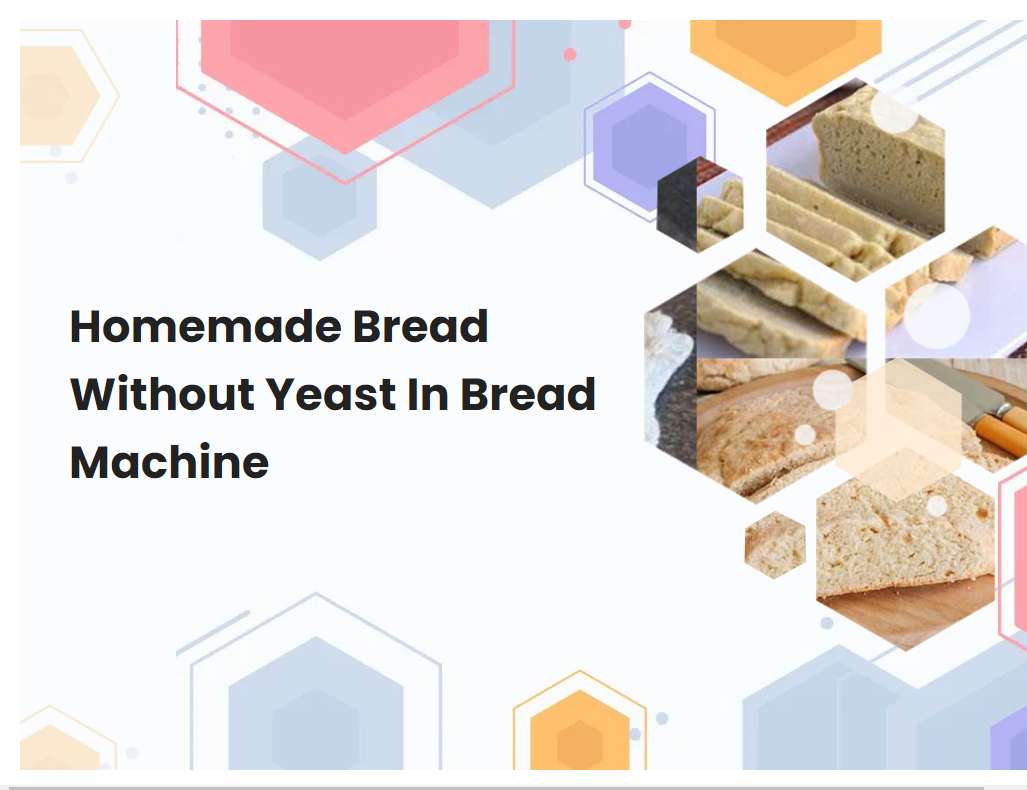
Substitute baking powder and baking soda for yeast.
Yeast is a leavening agent used to help baked goods rise and give them a light, airy texture. However, in some recipes, it is possible to replace yeast with a combination of baking powder and baking soda. Baking powder is a mixture of baking soda, cream of tartar and an inert starch, such as cornstarch.
When added to a recipe it releases carbon dioxide, which creates bubbles in the dough, causing it to rise. Baking soda, on the other hand, is sodium bicarbonate which reacts with acidic ingredients in the recipe to produce carbon dioxide and give a lift to the dough. When the two are combined, the result is a more powerful leavening agent that can be used as an alternative to yeast. However, it is important to note that the amount of baking powder and baking soda needed will vary depending on the recipe, so it is important to follow the instructions carefully to ensure that your baked goods rise as intended.
Use a combination of equal parts of cream of tartar and baking soda for a good rise.
A combination of equal parts cream of tartar and baking soda is an excellent way to get a good rise in your baked goods. Cream of tartar is an acidic ingredient that helps activate the baking soda, which is an alkaline ingredient. When these two ingredients are blended together, they create a chemical reaction that produces carbon dioxide gas bubbles, which help to leaven and lighten the texture of baked goods.
This combination is especially useful in recipes that call for baking powder, as baking powder is essentially just baking soda and cream of tartar combined with a few other ingredients. In addition to helping baked goods rise better, the slight acidity of the cream of tartar can also enhance the flavor of cakes and other baked goods, giving them a slightly tangy taste.
See also: Challah With Tahini In It Bread Machine
Use a shorter kneading time and shorter rising time.
Shorter kneading and rising times can be used to create breads with a different texture and flavor. Kneading is the process of mixing and stretching the dough to form gluten, the protein that gives bread its structure and texture. When kneading dough for a shorter amount of time, less gluten will be formed and the bread will have a softer, more delicate texture.
Additionally, a shorter rising time will result in a smaller loaf as the yeast will not have had as much time to grow and expand the dough. This can be beneficial for breads such as focaccia or ciabatta that are meant to be denser and flatter than a traditional loaf. The flavor of the bread may also be slightly different as less fermentation time will mean less development of flavor compounds. Shorter kneading and rising times can help create unique and delicious breads with a different texture and flavor.
See also: How To Make Mochi In Bread Machine
Adjust the liquid content of the recipe, as bread doughs without yeast need less liquid to achieve the same texture.
When making a bread dough without yeast, it is important to adjust the liquid content in the recipe. Yeast-based doughs require more liquid to achieve their desired texture because the yeast itself needs liquid to activate and rise. Without yeast, the dough needs much less liquid in order for the dough to achieve a similar texture.
Too much liquid in a no-yeast dough can result in a heavy, dense loaf with little air pockets, while too little liquid can lead to a dry, crumbly texture. To adjust the liquid content, start by reducing the amount of liquid by 10 to 15%. If necessary, you can add additional liquid back in, but do so in small increments until the desired texture is achieved. With these adjustments, you should be able to make a delicious loaf of bread without the use of yeast.
See also: Bread Machine Bread For Peanut Butter And Jelly Sanwiches
Use an acidic agent like lemon juice, vinegar, or yogurt to help activate the baking powder or baking soda.
Acidic agents like lemon juice, vinegar, or yogurt can be used to activate baking powder or baking soda when making baked goods. Baking powder and baking soda are both leavening agents that help baked goods rise. Baking powder contains both an acid and an alkaline component, while baking soda is a single component that needs an acidic agent to activate it.
By adding an acidic agent to the mix, it helps to create the necessary reaction for the leavening agent to do its job. Lemon juice, vinegar, and yogurt all have a naturally acidic pH, which helps to activate the baking powder or baking soda. Adding a few teaspoons of lemon juice, vinegar, or yogurt to the mixture will provide the necessary acidity to create the reaction that helps to make baked goods light and fluffy.
See also: Gluten Free Pizza Crust In Bread Machine
Use an egg for additional richness and structure.
Using an egg in baking can be an effective way to add additional richness and structure to a dish. Eggs are high in protein, which helps give baked goods a more chewy texture. They can also help bind ingredients together, making it easier to mix and shape the dough or batter.
Additionally, eggs contain fat, which helps make baked goods more moist and tender. They can also act as a leavening agent, providing rise and helping create a light, airy texture. Lastly, eggs also help to add flavor, imparting a subtle sweetness to baked goods. When using an egg in baking, it is important to ensure that it is fresh and that the whites and yolks are properly mixed together. This will help to ensure that the egg has the desired effect and that the finished product is of the highest quality.
See also: Cani Use Pie Filling In Bread Machine
Add an extra teaspoon of sugar to help with browning.
Adding an extra teaspoon of sugar to a recipe can help with browning. Sugar is a great ingredient for caramelizing and browning, as it helps to speed up the process and create a more even, attractive color. Sugar also helps to add flavor to whatever is being cooked.
When used in combination with other ingredients, such as butter or oil, sugar helps to form a delicious crust on the outside of foods, while still keeping the inside moist and flavorful. The extra teaspoon of sugar will help to enhance the flavor and texture of the dish, while also providing a more attractive color.
Increase the oven temperature to 425-450°F to help the bread rise.
When baking bread, increasing the oven temperature to 425-450°F can help the dough rise. This is because the higher temperature helps to create a warm and humid environment, which helps to activate the yeast in the dough. This in turn causes the dough to become more aerated, resulting in a lighter, fluffier bread.
The optimal temperature for rising bread dough is usually between 80-90°F, so increasing the oven temperature to 425-450°F can help to achieve this. Additionally, the higher temperature will also provide the heat necessary to make the bread crust brown and crisp. In order to ensure that the bread rises properly, be sure to preheat the oven before baking and monitor the bread while it is in the oven to make sure it doesn't overbake.
Place a pan of boiling water in the oven while baking to help create steam and a crispy crust.
Adding a pan of boiling water to the oven while baking helps create steam, which can produce a crispy crust on a variety of baked goods. The steam helps set the structure of the baked item, giving it a nice texture and form. It also helps to prevent the item from drying out while baking, which can result in a dry and crumbly texture.
When adding boiling water to the oven, it is important to place the water in an oven-safe container that is large enough to hold the amount of water needed. After the water has been added to the oven, it should be left in place throughout the entire baking process. This will help ensure that the steam created is evenly distributed throughout the oven. Additionally, it is important to keep an eye on the water level, as it may need to be replenished if it evaporates too quickly.
Let the bread cool completely before slicing, as it will continue to bake even after it is taken out of the oven.
It is important to let the bread cool completely before slicing it, as it will continue to bake even after it has been taken out of the oven. This is due to the residual heat of the oven, which will continue to bake the bread even after it has been removed. To prevent the bread from becoming overly-cooked, it is important to let the bread cool down before slicing.
The best way to do this is to allow the bread to cool on a wire rack or other heat-safe surface for at least 30 minutes. Once the bread has cooled, you can then slice it and enjoy!





