Making Bread In Oven Vs Bread Machine
Bread baking is an age-old tradition that has been passed down from generation to generation. For many, the smell and taste of freshly baked bread is impossible to resist. While both oven-baked and bread-machine-baked breads can bring that warm, delicious aroma to the kitchen, there are some distinct differences between the two.
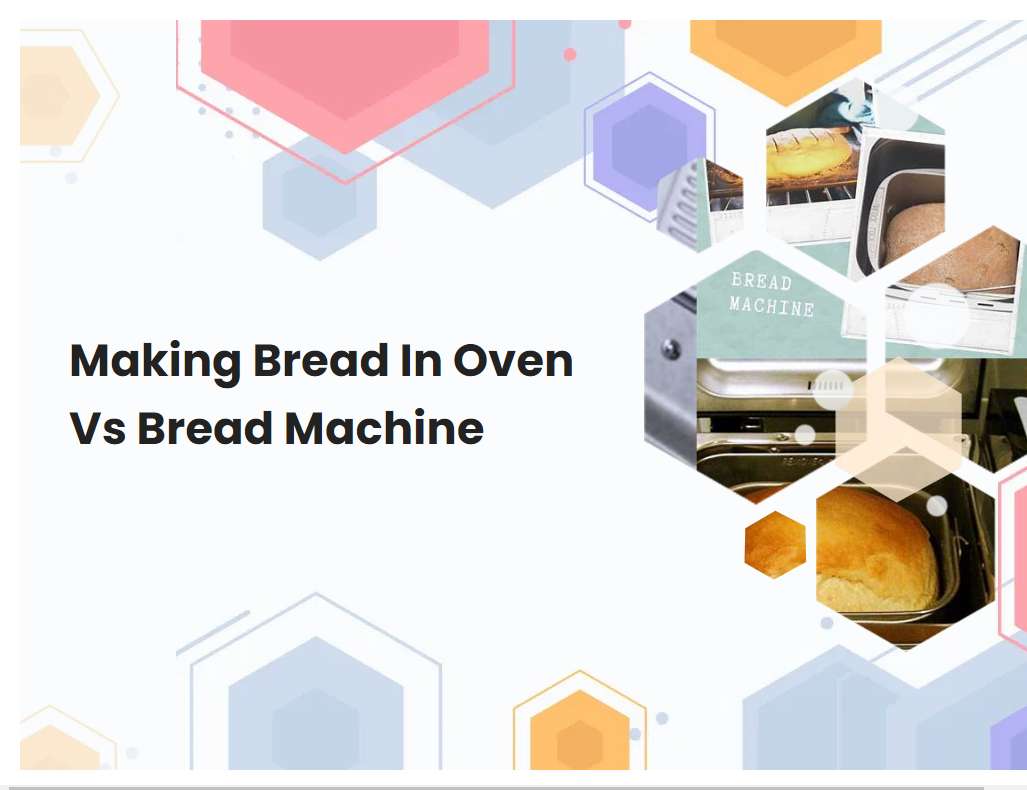
Bread Machine: The bread machine is a convenient appliance that automates the process of making bread. It kneads the dough, rises it, and bakes it all in one device. This makes baking bread easier and quicker.
The bread machine is a great appliance for those who love freshly baked bread but don't want to go through the lengthy process of kneading, rising, and baking. This machine automates the process and simplifies it, so all you have to do is add the ingredients, select the settings, and press a button. With the bread machine, there's no need to knead the dough by hand, wait for it to rise, or keep an eye on it in the oven.
The bread machine does all the work for you. It also has several settings so you can customize the flavor and texture of your bread. You can choose from whole wheat, white, gluten free, crusty, and many other varieties to make delicious bread every time. The bread machine is an invaluable kitchen appliance that makes baking bread simple and efficient.
Oven: Baking bread in an oven requires more effort and time than using a bread machine. You must knead the dough, shape it, allow it to rise, and bake it.
Baking bread in an oven is a more labor-intensive process than using a bread machine. The first step is to knead the dough, which requires mixing together the ingredients and then kneading the dough on a floured surface. After kneading, the dough should be shaped into a desired shape, such as a loaf or roll.
Next, the dough should be allowed to rise before baking. This is usually done by placing it in a warm, moist environment for several hours. Finally, the dough should be baked in an oven at the correct temperature for the required amount of time. Baking bread in an oven takes more time and effort than using a bread machine, but it can yield delicious and traditional results.
See also: Why Is My Bread Machine Bread Lopsided
Time: Baking bread in a bread machine is much quicker than baking with an oven. Most bread machine recipes take about two hours from start to finish, while baking in an oven can take up to two and a half hours or longer.
Baking bread in a bread machine is far more convenient than baking with an oven. The entire process is much quicker, as most bread machine recipes take just two hours compared to the two and a half hours or longer in an oven. The bread machine also doesn't require preheating, so you can begin the process of making fresh, homemade bread right away.
Additionally, the automated settings on the machine allow you to select the type of bread you want to bake, such as white, whole wheat, gluten-free, and more. Once you select the type of bread, the machine will handle the rest for you from kneading the dough to baking the final product. The end result is a delicious and perfectly cooked loaf of bread that you can enjoy as part of a meal or as a snack.
See also: How To Make Brown Bread Using A Bread Machine
Temperature: Baking with a bread machine usually requires a slightly lower temperature than baking in an oven. The ideal temperature for a bread machine is usually around 350-375 degrees Fahrenheit.
Baking with a bread machine is a great way to make delicious and fresh-tasting bread without all the effort of kneading and rising dough by hand. The key to successful bread machine baking is using the right temperature. Most bread machine recipes will call for a slightly lower temperature than oven baking, usually around 350-375 degrees Fahrenheit.
This lower temperature helps the dough to rise properly and gives the bread a light, airy texture. Additionally, since the bread is baking in a closed environment, it will retain more moisture, making the finished product denser and more flavorful. Whether you're baking white or wheat bread, rolls or focaccia, the ideal temperature for a bread machine is always around 350-375 degrees Fahrenheit.
See also: Soft Buttery Pamasonic Bread Machine Rolls Ideas Kitchen
Kneading: Bread machines knead the dough automatically, while baking in an oven requires the baker to knead the dough manually.
Kneading is an important step in the baking process, as it helps to evenly distribute the dough's ingredients and create a smooth texture. The way that kneading is accomplished differs depending on the method of baking. Bread machines are able to knead dough automatically by using a rotating paddle or blade to mix, aerate, and stretch the dough.
This automated process can produce consistent results and save time. When baking in an oven, the baker must knead the dough manually. This involves pressing, folding, and stretching the dough until it has a uniform consistency. Manual kneading can take more time than automated kneading, but it also allows the baker to have more control over the texture of the dough. Kneading is essential for producing quality breads, pastries, and other baked goods, and each method of kneading has its own advantages.
See also: Gluten Free Bread On Express-Bake In Bread Machine
Shaping: When baking with a bread machine, the dough is usually shaped into a loaf and placed in the baking chamber of the machine before baking. When baking in an oven, the dough must be shaped and placed on a greased baking sheet before baking.
When baking with a bread machine, the dough is usually shaped into a loaf and placed in the baking chamber of the machine before baking. This allows the dough to rise and bake evenly and consistently. The dough can also be shaped into rolls, buns, or other shapes, depending on the desired result.
When baking in an oven, the dough must be shaped and placed on a greased baking sheet before baking. This helps ensure that the dough cooks evenly and doesn't stick to the pan. The dough can be rolled out or shaped into any desired shape, including braided loaves or round rolls. To ensure the dough cooks evenly, it is important to make sure that it is of even thickness throughout. After shaping the dough, it can be left to rise slightly before transferring onto the baking sheet. Finally, it is important to make sure that the oven is preheated to the correct temperature and that the baking sheet is clean and greased so that the dough doesn't stick when baking.
See also: Cinnamon Raisin Bread Machine All Purpose Flour
Rising: Bread machines have a special setting for rising the dough before baking. When baking in an oven, the dough must be allowed to rise for about one hour before baking.
Bread machines are a great tool for baking bread at home, as they provide a special setting specifically designed for allowing the dough to rise. This setting allows the dough to slowly rise, giving it time to develop its flavor and texture, without over-rising and resulting in a dense, heavy loaf. The rising process typically takes about one hour, which is significantly longer than what's needed when baking in an oven.
During this time, the yeast in the dough creates carbon dioxide, which gets trapped in the gluten strands of the dough and causes it to expand and rise. This process not only adds flavor and texture to the bread, but also helps create a light and airy loaf. Additionally, allowing the dough to rise for an extended period of time helps activate the gluten and makes the dough easier to shape before baking. All in all, a bread machine's rising setting is an essential part of creating a delicious homemade loaf of bread.
Flavoring: Bread machines have a setting for adding flavorings and other ingredients like nuts and fruits to the dough before baking. When baking in an oven, the baker must add these ingredients to the dough manually before shaping it and allowing it to rise.
When baking with a bread machine, the baker has the advantage of adding flavorings and other ingredients like fruits and nuts to the dough before baking. This is done by choosing the flavoring setting on the machine, which will mix in the desired ingredients before beginning the baking process. This makes it easier and faster to make flavored breads without having to manually combine the ingredients before allowing the dough to rise.
On the other hand, when baking in an oven, the baker must add these ingredients to the dough manually before shaping it and allowing it to rise. This requires a bit more time and effort, but can still result in delicious flavored breads.
Cleanup: Cleaning up after using a bread machine is much easier than cleaning up after baking in an oven. Most bread machines have removable parts that make them easy to clean.
Cleaning up after using a bread machine is much simpler than cleaning up after baking in an oven. Most bread machines have removable parts, including a kneading paddle, baking pan, and lid, that make them easy to clean. To clean the bread machine, first unplug it and allow it to cool down.
Then, remove all removable parts and wash them in soapy water. Rinse and dry the parts before returning them to the bread machine. The inside of the bread machine should be wiped down with a damp cloth. If there are any bits of dough or crumbs stuck inside, they can be removed with a soft brush. Finally, reassemble all the removable parts, plug the machine in, and it's ready for use again.
Results: The end result of baking with a bread machine varies depending on the type of recipe used, but generally the texture and flavor of the finished product are more consistent than when baking in an oven.
Baking with a bread machine can be an incredibly rewarding experience for the home cook. The end result of using a bread machine to bake is often superior to that of baking in an oven due to the consistent texture and flavor achieved with each batch. This is because the bread machine is able to evenly distribute and heat ingredients, as well as knead the dough until it reaches the desired consistency.
The desired texture and flavor can be further enhanced by adjusting the settings of the machine, such as selecting the type of loaf, the crust color, and the baking time. Additionally, some models come with a variety of pre-programmed settings and recipes that can be used to create different types of loaves. With a bread machine, nearly any type of loaf can be made, from rustic Italian loaves to delicate French baguettes. By following the instructions provided with the machine and selecting from available recipes, bakers can achieve consistent results every time.





