How To Override Pre-Programmmed Settings On Bread Machine
Making bread with a bread machine can be a great way to save time and effort. However, pre-programmed settings on the machine may not always be the best choice for the type of bread you are making. Knowing how to override pre-programmed settings on your bread machine can help you customize your bread and make the perfect loaf.
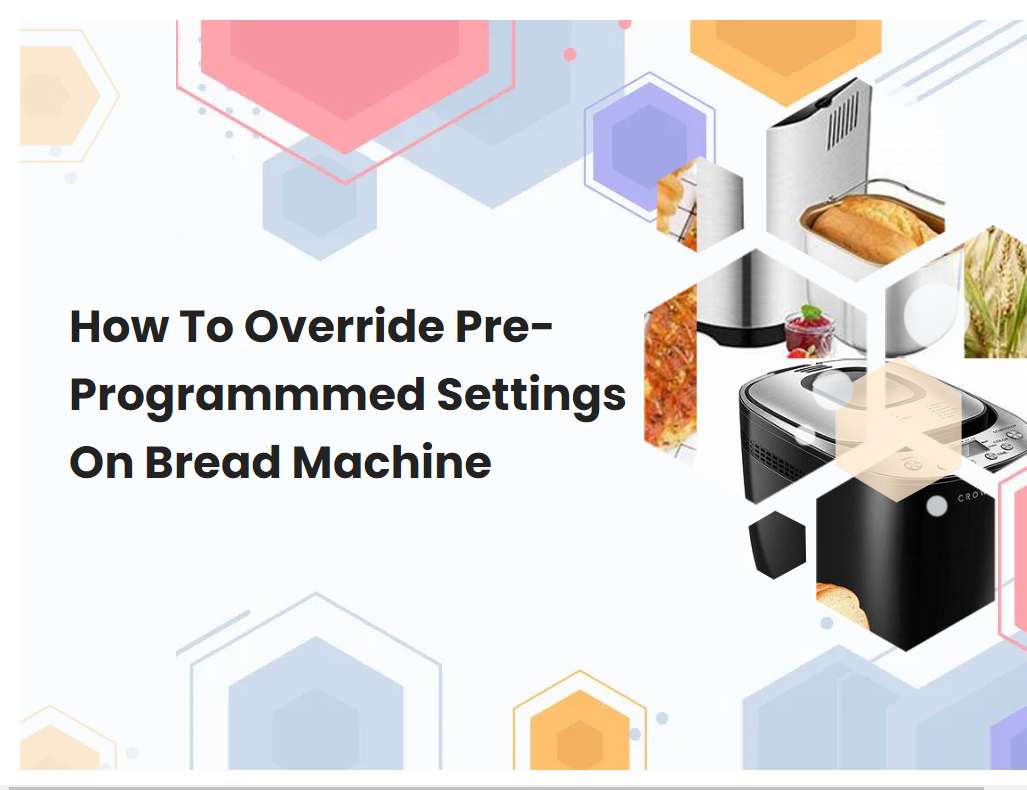
Refer to your bread machine's manual for instructions on how to override preset settings.
Most bread machines come with preset settings for different types of bread, such as basic, white, whole wheat, and quick bread. While the preset settings are typically sufficient for most bread-making needs, certain recipes may require adjustments to the settings. If a recipe calls for changes to the preset settings, you can override the settings in your bread machine.
To do so, consult your bread machine's manual for instructions on how to override the presets. Your manual will provide step-by-step instructions on how to make the necessary adjustments to your machine's settings. Depending on the model of your bread machine, you may be able to adjust the crust color, loaf size, and other settings to suit your particular recipe. Once you have made the necessary adjustments, you will be able to begin baking your bread with the settings that you have chosen.
Make sure you understand the different cycles and settings available on your bread machine.
Bread machines come with a variety of different cycles and settings that allow you to customize your bread-making experience. The basic cycles include basic, French, whole wheat, quick bread, and dough. The basic cycle is the most commonly used and is designed for making standard white bread.
French cycle is designed for making French breads with a crunchy crust. Whole wheat cycle is designed for making whole wheat breads with a hearty texture. Quick bread cycle is designed for making cakes, sweet breads, and other quick breads. Finally, the dough cycle allows you to make doughs such as pizza dough and cinnamon rolls. In addition to these standard cycles, there are also settings that allow you to adjust the crust and loaf size. The crust setting allows you to choose between light, medium, and dark crusts. The loaf size setting allows you to choose between 1-1/2 pound and 2-pound loaves. Finally, there are settings that allow you to delay the start time of the bread-making process and keep the finished loaf warm for up to an hour. By understanding these cycles and settings, you can make sure that your bread machine is always set up to perfectly meet your needs.
See also: Peanut Butter Chocolate Chip Bread Machine Bread
Check the ingredients list for any additional ingredients needed to override the pre-programmed settings.
The ingredients list for any given food product is an important source of information when it comes to overriding pre-programmed settings. This is particularly true when it comes to processed foods, which tend to contain a variety of additives, preservatives, and other ingredients that can change the product's texture, flavor, and nutritional value. For instance, some processed foods may contain added sugar, salt, or fats in order to improve flavor, texture, and shelf-life.
Knowing which ingredients are present in a product is key to determining whether or not they can be overridden in order to make a healthier version of the product. Furthermore, certain ingredients may also be used in order to adjust the pH or moisture content of the food, which can affect its texture and taste. Checking the ingredients list thoroughly will help ensure that all the necessary ingredients are present to override the pre-programmed settings.
See also: How To Make Bread Machine Bread Less Dry
Adjust the kneading, rising and baking times as needed.
Kneading, rising and baking times are essential components of bread-making. As such, it is important to adjust these times as needed in order to ensure optimal results. Kneading times can vary depending on the recipe and type of bread being made, and should be adjusted accordingly.
Generally, kneading should last for at least 5 minutes in order to properly activate the gluten in the dough and create a smooth, elastic texture. Rising times also vary based on recipe and type of bread, and should be adjusted as needed to help create a light and airy texture. Most breads will need to rise twice in order for the dough to double in size; however, this can vary depending on the recipe. Baking times should also be adjusted according to the type of bread being made, as different kinds require different temperatures and lengths of time in the oven. By properly adjusting the kneading, rising and baking times, bread makers can ensure their bread turns out perfectly every time.
See also: Bread Machine Whole Wheat English Muffin Bread
Be aware of the amount of yeast and liquids used with certain recipes in order to achieve the desired results.
When baking with yeast, it is important to be aware of the amount of yeast and liquids used in the recipe. The type and quantity of yeast and liquid used will determine the texture, flavor, and rise of the final product. Using too little yeast can prevent the dough from rising, while using too much can result in an overly yeasty taste and overly risen dough.
The amount of liquid used will also affect the texture and flavor of the dough; too little liquid can cause the dough to be dry and crumbly, whereas too much liquid can make the dough heavy and soggy. It is important to use the correct amount of yeast and liquid for each recipe in order to achieve the desired results.
See also: Apple Sauce Cake In Bread Machine Vegan
Monitor your bread closely while it is baking and adjust the time or temperature as needed.
When baking bread, it is important to closely monitor the bread throughout the baking process. At the start of baking, check the bread every 10 minutes or so and adjust the temperature or baking time as necessary. If the bread appears to be browning too quickly, lower the oven temperature by 25 degrees and check every 5 minutes.
If you find that the center of the bread is not baking through, raise the oven temperature by 25 degrees and continue baking. As the bread nears completion, check every few minutes until it is golden brown on top and a toothpick inserted into the center comes out clean. Be sure to adjust the time or temperature as needed in order to ensure the perfect loaf of bread.
See also: Bread Machine With Stainless Steel Baking Pan
Experiment with different recipes and settings to find the best results for your particular machine.
Experimenting with different recipes and settings is a great way to get the best results from your particular machine. It is important to research what type of coffee beans, grind size, grind amount, water temperature, and brew time will work best for your particular machine. Experimenting with different combinations of these variables can help you find the perfect balance for optimal flavor.
Once you have identified the ideal settings for your machine, you can use them as a benchmark for future experimentation. Additionally, experimenting with different recipes such as espresso, cappuccino, latte, and cold brew can help you discover the types of coffee that you enjoy most. Taking detailed notes as you experiment will help you remember the settings and recipes that worked best, enabling you to replicate great coffee time and time again.
Consider using a timer to ensure your bread is not over-baked or under-baked.
Using a timer is an essential tool for baking bread. It helps to ensure that your bread is not over-baked or under-baked. Using a timer allows you to easily monitor the baking process and gives you the confidence that your bread will come out perfectly cooked.
By setting the timer for the appropriate amount of time, you can be sure that your bread will not be over-baked or under-baked. Additionally, by checking on the bread periodically and resetting the timer if need be, you can ensure that your bread will turn out just right. Timers provide an easy and effective way to keep track of your baking time, and can make all the difference in achieving a perfectly cooked loaf of bread.
Make sure to keep your bread machine clean and free of any mold or dust.
It is important to keep your bread machine clean and free of any mold or dust. This can be done by regularly wiping down the exterior of the machine with a damp cloth. Additionally, it is important to occasionally remove the kneading paddle and any other removable parts, and scrub them with soap and water to make sure they are clean.
Inside the machine, it is important to check for signs of mold or dust, and to wipe down the sides and bottom of the machine with a damp cloth. If you notice any buildup, it is important to use a soft brush and a mild detergent to remove it. After cleaning, make sure to dry the parts thoroughly before reassembling. Regularly cleaning your bread machine can help ensure that it lasts a long time and continues to make delicious loaves of bread.
Check for any fault codes or error messages when troubleshooting any issues with your machine.
When troubleshooting any issues with your machine, it is important to check for any fault codes or error messages. Fault codes are codes that are generated by the computer inside the machine when a malfunction is detected. Error messages are messages that are typically seen on a display or screen, such as an LCD or LED display, indicating that an error has occurred.
Checking for fault codes and error messages can provide important information that can help diagnose and repair the problem. It can also help to determine if the issue is caused by a hardware or software issue. If a fault code or error message is present, it can provide valuable insight into what the issue may be and how it can be resolved. Checking for fault codes and error messages should always be one of the first steps taken when troubleshooting any issues with your machine.





