How Many Tsp Is A Package Of Bread Machine Yeast
Bread machine yeast is a type of yeast that is specifically designed for use in bread machines. It is a dry active yeast, meaning it does not require proofing or activating prior to use. A single package of bread machine yeast contains a specific amount of teaspoons, depending on the size of the package.
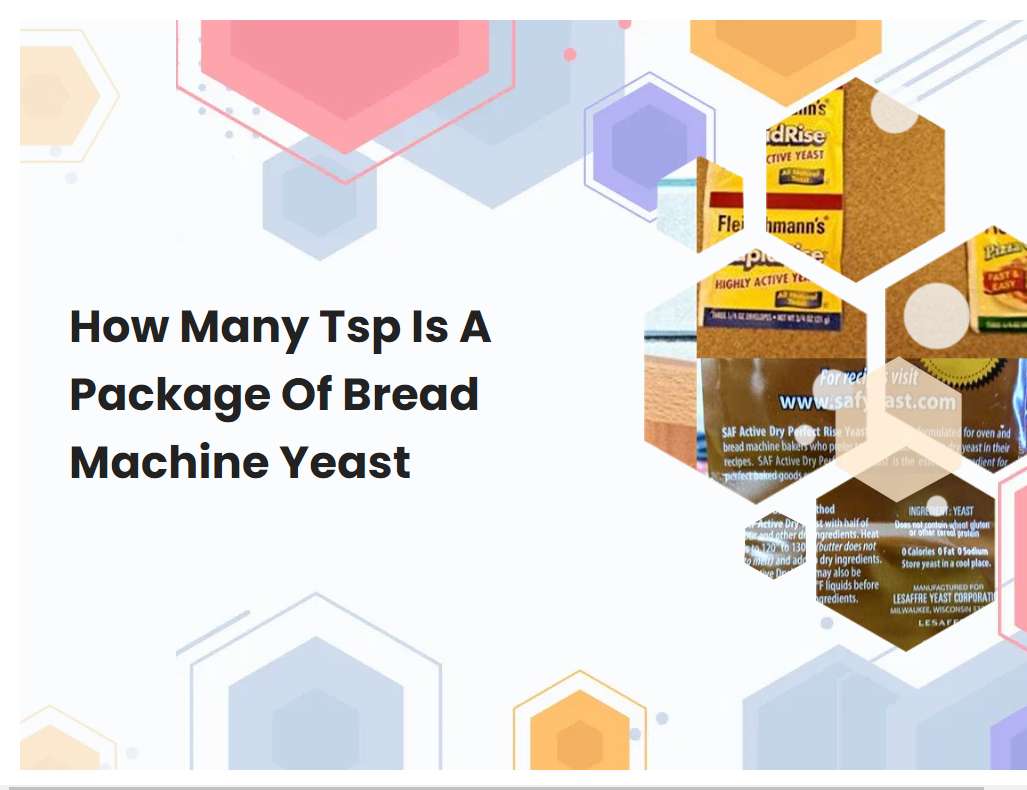
Bread machine yeast is a specially formulated active dry yeast designed for use in bread machines.
Bread machine yeast is a specialized form of active dry yeast designed specifically for use in bread machines. The granules are smaller than regular active dry yeast, allowing them to dissolve and activate more quickly in the dough. This is important because doughs prepared in a bread machine usually require shorter rising times than doughs made by hand.
Bread machine yeast also produces doughs with a softer texture and better flavor, making it the preferred choice for bread machines. When using bread machine yeast, it's important to follow the manufacturer's instructions for the amount of yeast to use and the temperature of the water or other liquid used to make the dough. Too much yeast or water that is too hot can kill the yeast and prevent the dough from rising properly. Properly stored in a cool, dry place, bread machine yeast has a shelf life of several months or longer.
A package of bread machine yeast typically contains 2 1/4 teaspoons, which is the equivalent of one standard 0.25-ounce packet of active dry yeast.
A package of bread machine yeast is the perfect ingredient for making homemade bread in a bread machine. Each package contains 2 1/4 teaspoons of yeast, which is the equivalent of one standard 0.25-ounce packet of active dry yeast. This type of yeast is specifically designed to be used in a bread machine and provides superior results compared to regular active dry yeast.
Bread machine yeast is much more powerful and produces a better rise and texture in the finished loaf. It is also easier to use than regular active dry yeast, as it doesn't require proofing or any other special preparation. When using bread machine yeast, you can be sure that your homemade bread will turn out perfectly every time.
See also: How To Make Rolls In A Bread Machine
Bread machine yeast is an ideal choice for making dough in a bread machine as it yields a softer texture and a more flavorful crust.
Bread machine yeast is an excellent choice for making dough in a bread machine because of its unique properties. It is specifically designed to work in a bread machine, and has a different composition than regular active dry or instant yeast. This type of yeast creates a softer texture and a more flavorful crust, making it perfect for breads and other baked goods.
Additionally, bread machine yeast is formulated to activate more quickly than traditional yeasts, which means that the dough can be ready faster. It is important to note that bread machine yeast should never be used as a substitute for regular active dry or instant yeast when making dough without a bread machine, as the results may not be desirable. By carefully following the instructions on the package, you can enjoy delicious, freshly baked breads and other treats made with the help of your bread machine and the perfect yeast for the job.
See also: Hamilton Beach Brands Inc Hamilton Beach Programmable Bread Machine
To use bread machine yeast, add it directly to the ingredients in the bread machine pan and follow the manufacturer's instructions.
Using bread machine yeast is an easy and convenient way to make yeast-leavened breads. The yeast is specially formulated to work best in bread machines and will help ensure the bread rises properly during the kneading and baking cycles. To use it, simply add the yeast directly to the dry ingredients in the bread machine pan, and then follow the manufacturer's instructions for that particular loaf.
It's important to note that bread machine yeast should not be activated or proofed in warm liquid before adding it to the ingredients; instead, just add it in its dry form. Additionally, it's important to ensure that all other ingredients are at room temperature before adding the yeast, as cold ingredients can inhibit its performance. With these steps, you'll be sure to have a delicious loaf of bread every time!
See also: Laucke Sourdough In Bread Machine Using Starter
Bread machine yeast should be stored in a cool, dry place away from direct sunlight or moisture.
Bread machine yeast should be stored in a cool, dry place away from direct sunlight and moisture. It is important to not store the yeast in an area that is exposed to high temperatures or humidity as this can affect the freshness and potency of the yeast. The ideal temperature range for storing yeast is between 60-70° F. Additionally, it is important to store the yeast in an airtight container or resealable bag to prevent the yeast from becoming exposed to oxygen, which can cause it to lose its potency.
It is also important to check the expiration date on the yeast packaging before use to ensure that it is still viable. By storing yeast properly, you can extend its shelf life and ensure that your breads rise properly.
See also: How Long Is Rolls Cycle On Bread Machine
It is important to check the expiration date on the package when buying bread machine yeast, as it will become less effective after this date.
When buying bread machine yeast, it is important to check the expiration date on the package. Yeast is a living organism and will become less effective as it ages. If the yeast is older than the expiration date stated on the package, it may not be strong enough to rise the dough properly, resulting in a loaf that is either too dense or doesn't rise at all. To ensure the highest quality of yeast and the best possible results when baking, it is best to buy yeast that is within its expiration date.
See also: Bread Machine Bread Made With Oat Flour
When using bread machine yeast, it is important to not let it come into contact with salt or sugar as this can affect its activity.
When using bread machine yeast, it is important to take special care to ensure the yeast remains active. This means avoiding contact with salt or sugar, which can have an inhibitory effect on the yeast and prevent it from rising. To ensure the yeast is kept in good condition, it should be stored in a cool, dry place, away from direct sunlight.
It is also essential to use the yeast before its expiration date. When adding the yeast to a dough, it is important to make sure that it is evenly distributed throughout the mixture. If the yeast is added to a dry mixture, it should be mixed together before adding the other ingredients. Additionally, it is important to check that the other ingredients do not contain salt or sugar, as this can affect the activity of the yeast. Following these simple steps will help ensure the bread machine yeast rises properly and produces delicious loaves of bread.
It is important to use warm (not hot) water when using bread machine yeast, as too hot of water can kill the yeast.
When using bread machine yeast, it is important to use warm water rather than hot water. Too hot of water can cause the yeast to be killed, rendering it useless and preventing your bread from rising. The optimal temperature for activating the yeast is between 105-115 degrees Fahrenheit.
To ensure that the water is at the right temperature, it is best to use a thermometer to check it before adding the yeast. If the water is too hot, let it cool down and check the temperature again before adding the yeast. Additionally, if you are making dough in a bread machine, make sure that the water is added to the machine before adding the yeast. This will help to ensure that the water does not get too hot and kill the yeast. Taking these precautions will help to ensure a successful loaf of bread.
Bread machine yeast should not be used for making products such as cakes, cookies, or other pastries as it has a slower rise time than other types of yeast.
Bread machine yeast is specifically designed for use in bread machines and is not suitable for other types of baking. Unlike traditional active dry yeast or instant yeast, bread machine yeast has a slower rise time and is not recommended for use in cakes, cookies, pastries, or other baked goods that require a faster leavening process. Bread machine yeast is specially formulated for use in doughs with a high sugar content, which is why it is often used for sweet breads and other bread recipes that have a higher sugar content. For best results, it is important to follow the specific instructions of your bread machine and the recipe you are using to ensure that your dough rises properly and your finished product is of the highest quality.
If using bread machine yeast for a recipe that calls for instant yeast, you will need to use twice as much bread machine yeast as the recipe specifies for instant yeast.
When substituting bread machine yeast for instant yeast in a recipe, it is important to keep in mind that the two yeasts are not interchangeable. Instant yeast is much stronger than bread machine yeast, so you will need to use twice as much bread machine yeast as the recipe calls for to achieve the same results. For example, if a recipe calls for one teaspoon of instant yeast, you should use two teaspoons of bread machine yeast.
If you do not use the correct amount of yeast, your baked goods may not rise properly or you may end up with a dense and heavy texture. Additionally, bread machine yeast takes longer to activate, so you may have to adjust your kneading time and rising time accordingly. When using bread machine yeast for a recipe that calls for instant yeast, it is important to follow the directions carefully and use the correct amount of yeast or else you may not get the desired results.





