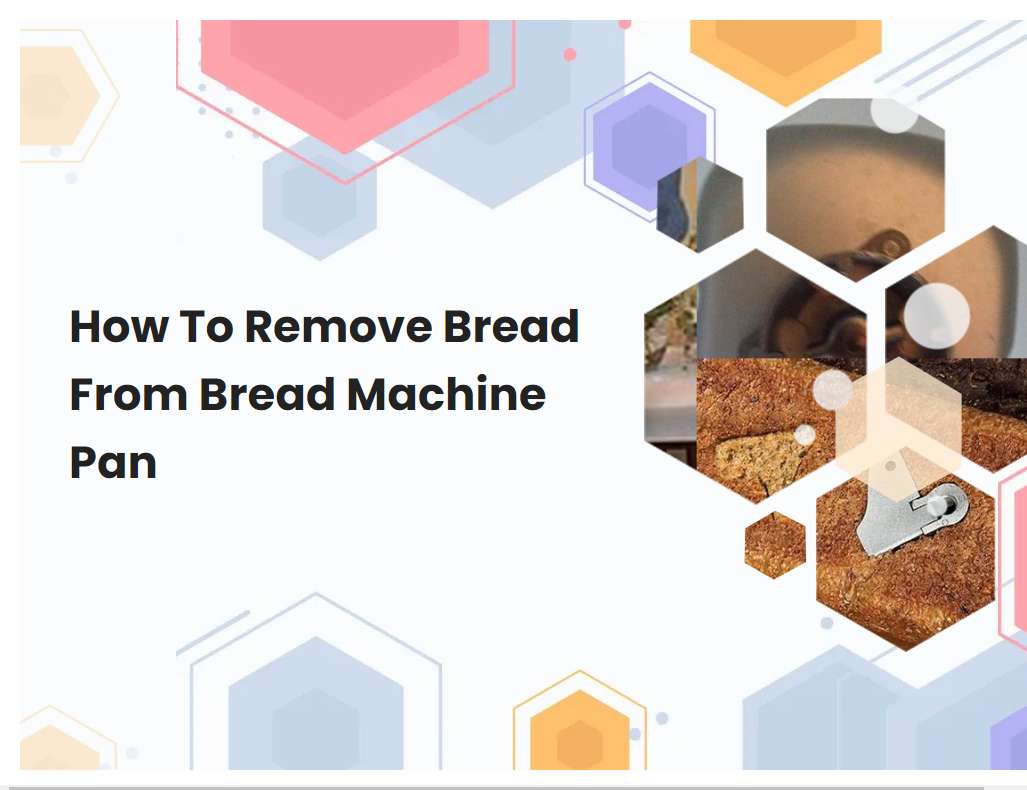
How To Remove Bread From Bread Machine Pan
Bread machines are a great way to make homemade bread without the usual mess and hassle of kneading, rising, and baking. However, when the bread is finished, it can be difficult to remove it from the bread machine pan. Fortunately, there are a few simple steps that can be taken to ensure the bread is easily and safely removed from the pan. In this article, we will discuss how to remove bread from a bread machine pan.
Unplug the bread machine from the power source.
It is important to unplug the bread machine from the power source before performing any maintenance or cleaning. Unplugging the machine is the first and most important step to take when you are not using the machine. To do this, locate the power cord and firmly grip it near the base of the plug.
Then, gently pull the plug out of the wall socket. Make sure you have a good grip on the plug before pulling to avoid accidentally damaging it. Once the plug is safely removed from the wall socket, make sure that the power switch is in the off position. This will ensure that the machine is completely disconnected from the power source and will prevent any electrical shock when performing maintenance or cleaning.
Allow the bread machine pan to cool completely before handling.
It is important to allow the bread machine pan to cool completely before handling it. This is because when the pan is hot, it can cause burns if touched. To cool the pan, unplug the bread machine and let it sit for at least 10-15 minutes.
During this time, the heat from the machine will dissipate and the pan will cool down. Once the pan is cool to the touch, it is safe to handle. Additionally, it is important to make sure that the pan has cooled down completely before attempting to remove the bread. If the pan is still warm to the touch, the bread can easily become deformed when it is removed from the pan.
See also: How To Make Tiger Bread In Bread Machine
Carefully remove the kneading paddle from the bottom of the loaf.
Removing the kneading paddle from the bottom of the loaf is an important step in the bread-making process. It must be done carefully in order to ensure that the bread maintains its shape and texture. First, the bread must be allowed to cool before attempting to remove the paddle.
Once cool, insert a thin spatula between the paddle and the bottom of the loaf and gently wiggle it back and forth to loosen the paddle from the dough. After the paddle has been loosened, carefully lift it out of the loaf. Be sure to remove any remaining dough that may be stuck to the paddle. After removing the paddle, you can now slice and enjoy your freshly-baked loaf of bread.
See also: Why Is My Bread Machine Bread Lumpy Top
Gently tilt the bread machine pan and use a rubber spatula to loosen the bread from the sides of the pan.
To remove the bread from the bread machine pan, gently tilt the pan to one side and use a rubber spatula to loosen the bread from the sides. Start by running the spatula along the sides of the pan and work your way around in a circular motion, gently prying the bread away from the sides to ensure that it releases easily. Be sure to use a gentle touch and enough pressure to loosen the bread without damaging it. Once all of the bread is freed from the sides of the pan, carefully lift it out with both hands and place it on a cooling rack or cutting board to cool.
See also: How To Add Moisture To My Bread Machine Bread
Remove the loaf of bread from the bread machine pan and place it on a cutting board.
The first step in cutting a loaf of bread from a bread machine is to remove it from the pan. To do this, first turn off the bread machine and unplug it from the wall. Then, carefully lift the pan out of the machine.
It may be hot, so use oven mitts or a thick kitchen towel to protect your hands. Place the loaf of bread onto a cutting board. Make sure the cutting board is clean and large enough to cut the entire loaf of bread. The cutting board should also be non-slip so that the bread does not move around as you cut it. Finally, use a sharp knife to cut the bread into even slices. Enjoy your freshly-baked bread!
See also: Order Of Ingredients For Cuisinart Bread Machine
If necessary, use a butter knife to help remove any excess dough left on the bottom of the pan.
Using a butter knife to remove excess dough from the bottom of a pan is an effective way to ensure that your baking project is successful. Before attempting to remove the excess dough, it is important to let the pan cool to room temperature. This will help avoid any accidental burns or mishaps while attempting to remove the dough.
Once the pan is cool, carefully insert the butter knife into the edges of the excess dough and gently wiggle it until the dough loosens and can be easily removed. It is important to use a butter knife instead of a regular kitchen knife as the butter knife is much more flexible and less likely to scratch or damage the surface of the pan. Taking your time and being gentle when using the butter knife will help ensure that you are able to successfully remove the excess dough from the bottom of the pan.
See also: What Bread Machine Selection To Make A Sweet Potato Bread
Clean the bread machine pan with a damp cloth and mild dish soap, if needed.
To ensure that your bread machine pan is clean and free from any residue, begin by wiping down the surface with a damp cloth. If the pan has any stuck-on debris or grease, use a mild dish soap and a soft sponge to gently scrub off the residue. Rinse the pan with warm running water, and dry it with a clean kitchen towel.
For hard-to-remove stains, use a non-abrasive cleaner and a sponge. Make sure to rinse the pan thoroughly after using the cleaner, to remove any residue. For best results, clean the bread machine pan regularly and follow the manufacturer's instructions. This will help to keep your bread machine in top working order and will help to extend the life of your appliance.
Dry the inside and outside of the pan with a clean, dry cloth.
It is important to dry the inside and outside of the pan with a clean, dry cloth after washing it. This helps to prevent rust and corrosion and prolongs the life of the pan. To thoroughly dry the pan, start by wiping the outside of the pan with a clean, dry cloth.
This will remove any excess moisture and help prevent the buildup of dirt or debris. Then, use a damp cloth to wipe down the inside of the pan. This will help to remove any remaining food particles or residue. Finally, use a dry cloth to completely dry the inside and outside of the pan. This will help ensure that it is completely dry before using or storing it.
Reattach the kneading paddle to the bottom of the pan before storing it.
Before storing the kneading paddle, it is important to make sure that it is securely reattached to the bottom of the pan. The pan should be placed on a flat work surface, and the kneading paddle should be lined up with the holes in the bottom of the pan. The paddle should then be pushed firmly into place until it is securely fastened.
It may be necessary to use a screwdriver or other tool to tighten the screws that hold the paddle in place. Once the paddle is properly secured, the pan can be stored in a safe and secure place for future use.
Store the bread machine pan in a cool, dry place until ready for use again.
When not in use, it is important to store your bread machine pan in a cool and dry place. This will help to preserve the integrity of the pan, allowing it to be used multiple times without issue. Keep the pan away from heat sources such as direct sunlight and heated appliances, as well as damp areas like bathrooms or kitchens.
It is also important to keep the pan covered when not in use in order to avoid dust and dirt build up. Clean the pan before and after each use with warm, soapy water. Towel dry or air dry the pan thoroughly before storing it away. Following these tips will ensure that your bread machine pan remains in top condition and ready for use when needed.





