Active Dry Yeast Instead Of Bread Machine Yeast
Bread machine yeast is a type of yeast that is specially formulated for use in bread machines. It is a fast-acting yeast that produces loaves of bread in a fraction of the time that traditional yeast does. Active dry yeast is a more traditional type of yeast that has been dried and is usually found in the baking aisle of grocery stores. It can be used as an alternative to bread machine yeast when making bread in a bread machine.
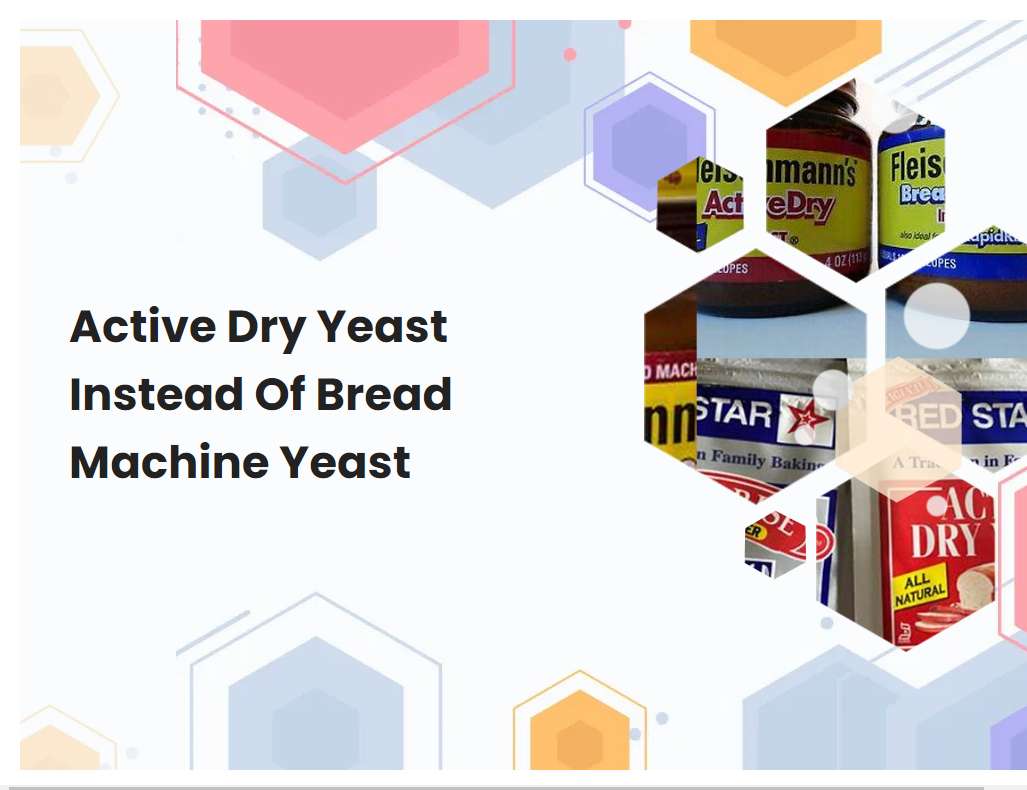
Active dry yeast must be rehydrated before use, whereas bread machine yeast does not need to be.
Active dry yeast is a type of yeast used for baking that must be rehydrated before use. It usually comes in the form of granules or small flakes and must be mixed with a warm liquid, such as water or milk, to activate it. This process requires the liquid to be between 105-115 degrees Fahrenheit in order to provide the yeast with an optimal environment for growth and activation.
Once the yeast is mixed with the warm liquid, the mixture should be stirred until the yeast is fully dissolved and allowed to sit for around 10 minutes before being added to the recipe. Bread machine yeast, on the other hand, is specifically formulated to be used in bread machine recipes and does not require rehydration. It is a combination of active dry yeast, ascorbic acid, and enzymes that make it easier for bread makers to create consistent results in their recipes. Bread machine yeast is an instant-acting type of yeast that can be added directly to the dry ingredients of a recipe, eliminating the need for rehydration.
Active dry yeast requires a longer rising time than bread machine yeast, typically twice as long.
Active dry yeast is a type of yeast that works best when given a longer period of time to rise and develop flavor. To use active dry yeast, you must first dissolve it in warm water and then let it sit for five to 10 minutes until it becomes foamy. This is called proofing the yeast.
Once the yeast is proofed, it can be added to your dough, along with other ingredients, such as flour, salt, and sugar. Because active dry yeast needs more time to activate and create the gases necessary for bread dough to rise, the rising time required when using active dry yeast is typically twice as long as when using bread machine yeast. Active dry yeast can produce a flavorful loaf of bread, but it requires patience and planning to allow enough time for the dough to rise.
See also: Bread Machine Yeast Rolls Using All Purpose Flour
Active dry yeast can be stored in the pantry, whereas bread machine yeast should be kept in the refrigerator.
Active dry yeast is a type of baking yeast that can be used for baking breads, cakes, and other baked goods. It is available in small packets or jars and can be stored in the pantry, away from any sources of heat and light. When stored correctly, it can last for several months, if not longer.
It is important to check the expiration date of the yeast before using it. To use the yeast, it must be dissolved in warm liquid before adding it to the recipe. Bread machine yeast is specifically designed for use in bread machines and can be used in place of active dry yeast. It is important to store this type of yeast in the refrigerator to help maintain its freshness. If kept in the refrigerator, it will usually last for up to six months. When using bread machine yeast in recipes, it can be added directly to the dry ingredients without needing to be dissolved in liquid first.
See also: Bread Machine Replace Butter With Olive Oil
Active dry yeast is more temperature-sensitive than bread machine yeast, and should be added to lukewarm liquids for best results.
Active dry yeast is a type of yeast that is used to make bread. It differs from bread machine yeast because it is more temperature-sensitive. To ensure that the yeast is activated properly, it should be added to lukewarm liquids; if the liquid is too hot, the heat could damage or kill the yeast.
When the temperature of the liquid is just right, the yeast will begin to activate and start producing carbon dioxide, which is what helps leaven the dough. It is important to be careful when adding active dry yeast so that it does not become too hot. If the yeast does become too hot, it will not be able to do its job and the dough will not rise. Active dry yeast is a key ingredient in making delicious breads, so be sure to use it correctly for the best results.
See also: How Does Bread Machine Yeast Different Than Rapid Rise Yeast
Active dry yeast will not foam as much as bread machine yeast during the proofing process.
Active dry yeast is a type of yeast that is commonly used in baking bread and other products. Unlike bread machine yeast, active dry yeast has to be rehydrated before use. During the proofing process, active dry yeast will not foam as much as bread machine yeast.
This is because bread machine yeast contains additional ingredients that help the yeast become more active, which leads to more foaming. Active dry yeast is a slower-acting yeast, so it will take longer for it to become active and produce the desired amount of foam. In order to get the most out of active dry yeast, it should be mixed with warm water before use. This helps activate the yeast and speeds up the proofing process, resulting in more foaming.
See also: Hot Rolls Bread Machine Using All Purpose Flour
Active dry yeast is not as finely ground as bread machine yeast, and may require additional kneading or stirring to incorporate it into the dough.
Active dry yeast is a popular choice for home bakers because it is easy to find and use. Unlike bread machine yeast, active dry yeast is not as finely ground and can be more difficult to incorporate into the dough. When making bread with active dry yeast, it is important to pay attention to the instructions on the package.
In general, active dry yeast should be rehydrated in warm water before being added to the dough. This hydration process helps to activate the yeast so that it can start breaking down the starches in the flour and releasing carbon dioxide, which helps create the bubbles that make bread light and fluffy. Additionally, the dough may require additional kneading or stirring to ensure that the active dry yeast is fully incorporated. By following these steps, home bakers can be sure that their breads will rise properly and have a light, airy texture.
See also: Bread Machine Hawaiian Rolls Sweet Dinner Rolls
Active dry yeast can be used in all types of bread recipes, but may require recipe adjustments to account for its longer rising time.
Active dry yeast is one of the most common forms of yeast used in baking. It is a single-celled organism that, when activated by water and sugar, produces carbon dioxide bubbles which cause doughs to rise. Active dry yeast is the ideal choice for bread recipes that require a slow, even rise.
The process is easy: simply add the yeast to warm water with a little sugar, wait for the mixture to form a foam, and then add it to the dough. However, active dry yeast does require a longer rising time than other types of yeast. This means that recipes must be adjusted to allow for the extended rising time. For example, the volume of yeast used may need to be reduced so it does not over-ferment the dough. Also, the amount of kneading may need to be increased to maximize the development of gluten, so that the dough will be able to hold the gas produced by the yeast for a longer period of time. Overall, active dry yeast is an excellent choice for bread recipes, as it produces a delicious, evenly-risen loaf. However, it is important to bear in mind that adjustments may need to be made to accommodate its longer rising time. With some tweaking and patience, however, you can easily create beautiful loaves of bread with active dry yeast.
When substituting active dry yeast for bread machine yeast, use a smaller amount, usually half as much as the amount of bread machine yeast called for in the recipe.
When substituting active dry yeast for bread machine yeast in a recipe, it is important to remember to use a smaller amount. Generally, the amount of active dry yeast used should be half of the amount of bread machine yeast called for in the recipe. This is due to the fact that active dry yeast is not specifically designed for use in bread machines and is not as concentrated as bread machine yeast.
When substituting active dry yeast, it should be rehydrated in warm water before adding it to the other ingredients. This helps to ensure that the yeast is activated and will help the dough rise properly. With the proper amount of active dry yeast added, your bread should turn out just as delicious as if you had used bread machine yeast.
Be sure to check the expiration date on the active dry yeast before using it.
Using active dry yeast that is past its expiration date is not recommended and can lead to baking disasters. It is important to check the expiration date on the package of active dry yeast before using it. This date is usually printed on the side or bottom of the package, and should be taken into consideration when deciding whether or not to use the yeast.
Active dry yeast should be stored in a cool, dry place away from direct sunlight and moisture. It should also be kept away from other ingredients such as sugar, salt, and vinegar, as these can affect the yeast's potency over time. It is recommended to use active dry yeast within one year of purchase for the best results. If the package does not indicate an expiration date, it is best to purchase new yeast or check with the manufacturer for more information.
Always add active dry yeast to the other ingredients in a recipe instead of directly to the warm liquid, so that it can be evenly dispersed throughout the dough.
Adding active dry yeast directly to warm liquid can cause it to clump up and not disperse evenly throughout the dough. To ensure that the yeast is evenly distributed, it is important to add it to the other ingredients in the recipe instead. Mix together the dry ingredients such as flour, sugar, salt, and baking powder in a large bowl.
Then add the active dry yeast to the dry ingredients and mix together until everything is well combined. After that, you can pour in the wet ingredients like milk and oil, and mix everything together until you have a smooth dough. This method of adding the active dry yeast to the other ingredients first will help to ensure that the yeast is evenly dispersed throughout the dough, resulting in an even rise and a delicious final product.





