Active Dry Yeast Or Instant Yeast For Bread Machine
Bread machines are an invaluable tool for making delicious homemade bread. Deciding which type of yeast to use when baking with a bread machine can be an important decision. Active dry yeast and instant yeast both have their benefits when baking with a bread machine, and it is important to understand the differences between them before making a decision.
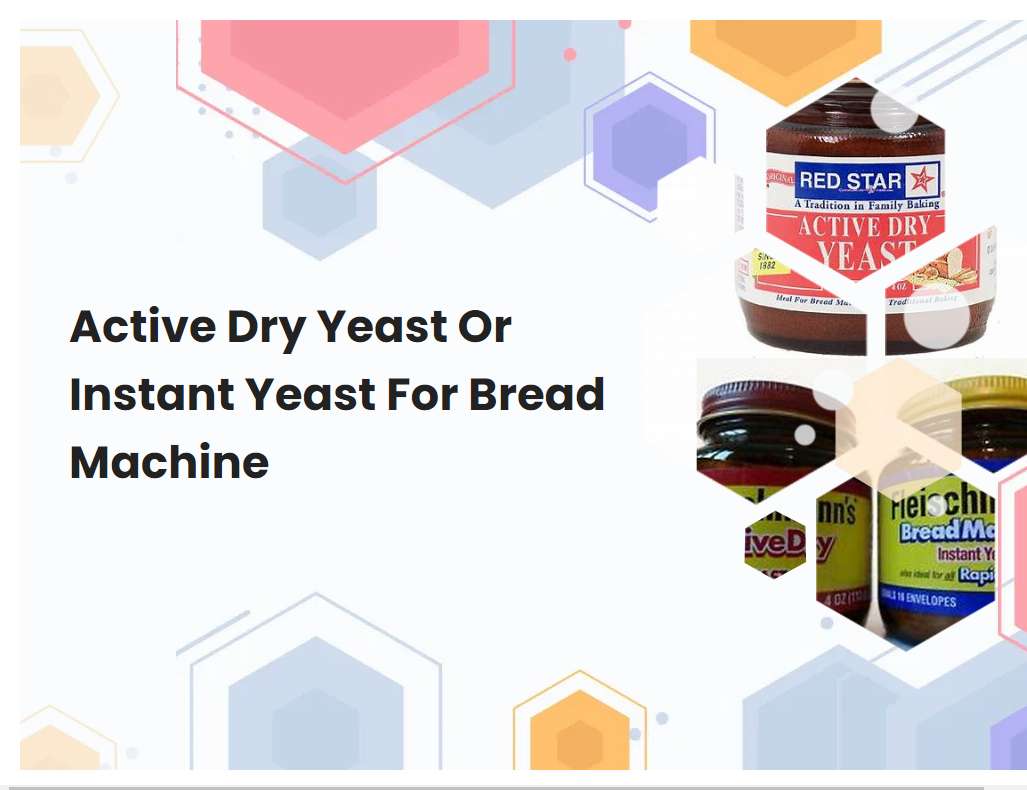
Active dry yeast and instant yeast are both types of yeast used to make bread.
Active dry yeast and instant yeast are both types of yeast used to make bread. Active dry yeast is sold in granules, and requires rehydration in warm water before it can be used. It is best for breads that have a long, slow rising process and is often used in artisan breads.
Instant yeast is sold in granules, but does not need to be rehydrated, making it more convenient and faster to use. It works best in breads that require quick rising, such as sandwich loaves. Instant yeast also has a longer shelf life than active dry yeast, making it a more economical choice. Both types of yeast are available in both traditional and organic varieties. When using either type of yeast, it is important to always follow the instructions on the package and use the correct amount of yeast for the recipe.
Active dry yeast is available in a granulated form and must be dissolved in warm liquid before use.
Active dry yeast is a type of yeast that is often used in baking. It comes in a granular form and is typically sold in small packets. Before using active dry yeast, it must be dissolved in warm liquid.
This involves combining the yeast with the appropriate amount of warm water or other liquid, such as milk, and letting it sit for several minutes until it forms a creamy texture. When the yeast has been fully dissolved, it is ready to be added to the dough mixture. Active dry yeast can then be used to make a variety of breads and other baked goods. It is important to note that active dry yeast has a shorter shelf life than some other types of yeast, so it should be used soon after opening the packet.
See also: How To Make Cinnamon Rolls Using A Bread Machine
Instant yeast is also available in a granulated form and does not require dissolving before use.
Instant yeast, also known as rapid rise or quick rise yeast, is a type of dry yeast that is used to help speed up the fermentation process in baking. Unlike traditional active dry yeast, it does not need to be dissolved in warm water before use and can be added directly to dry ingredients. Instant yeast is available in a granulated form and has a slightly finer texture than active dry yeast, making it easier to blend into dough.
It also produces a faster rise time than active dry yeast, with doughs usually taking half the time or less to rise than with traditional active dry yeast. In addition, instant yeast has a longer shelf life than active dry yeast, which means it can be stored at room temperature and used for up to twelve months.
See also: Bed Bath And Beyond Cuisinart Bread Machine
Active dry yeast needs to be activated by adding it to warm liquid before adding to the dough mixture.
Active dry yeast is a type of yeast used in baking. It is a granular form of yeast with a neutral flavor, and it is the most commonly used form of yeast for home baking. This type of yeast needs to be activated before it can be added to the dough mixture.
To do this, you will need to add the active dry yeast to a warm liquid, such as water, milk, or juice. The liquid should be at a temperature of about 105-115°F (41-46°C). This temperature range is ideal for activating the yeast and allowing it to begin the fermentation process. Once the yeast is fully dissolved in the warm liquid, it can then be added to the dough mixture. It is important to note that active dry yeast should not be added to the dough mixture without first being activated, as this can cause the dough to not rise properly.
See also: How Long Does A Bread Machine Knead
Instant yeast does not need to be activated and can be added directly to the dough mixture.
Instant yeast is a type of yeast that does not need to be activated before adding to a dough mixture. It is also known as rapid-rise or fast-acting yeast, and is a great choice for home bakers because it can save time and effort. The yeast is mixed into the dough dry, and is activated when the dough is mixed with other ingredients, such as water and flour.
Instant yeast allows dough to rise quicker than traditional active dry yeast, allowing breads and pastries to be made more quickly. It is important to note that the amount of instant yeast used should be lower than traditional active dry yeast, as it is more potent. When using instant yeast, it is best to follow a recipe closely to ensure the proper amount of yeast is used, as too much can cause the dough to rise too quickly and can affect the texture and taste of the final product.
See also: Italian Easter Bread In A Bread Machine
Active dry yeast should be stored in a cool, dry place.
Active dry yeast should be stored in a cool and dry place, such as a pantry or cabinet. It should be kept away from sources of heat and moisture to prevent it from becoming damp and inactive. It should also be kept away from direct sunlight as this can cause it to become inactive.
It is best to store the yeast in an airtight container or a resealable plastic bag. The yeast should also be stored in a dark place to prevent the growth of mold. Make sure to always check the expiration date of the yeast before using it to ensure you are using the freshest product possible. Proper storage of active dry yeast will ensure it stays viable for use in baking and other recipes.
See also: Crispy Thin Crust Pizza Dough Bread Machine
Instant yeast should be stored in an airtight container in the refrigerator.
When storing instant yeast, it is important to ensure that it is sealed in an airtight container and kept in the refrigerator. This helps to protect the yeast from moisture and air exposure, which can cause it to become inactive. Keeping the yeast in the refrigerator also slows down the aging process, allowing it to last longer.
Instant yeast should be used within four months of purchase, and should be discarded if it has clumped together or has an unpleasant odor. When using instant yeast, always check the expiration date and make sure it is still active before use.
Active dry yeast typically takes longer to rise than instant yeast.
Active dry yeast is a type of yeast used for baking and baking applications such as bread and other baked goods. It is a popular choice for home bakers because it is easy to store and use. Active dry yeast requires rehydration before use, and this process can take up to 10 minutes.
Once rehydrated, active dry yeast needs to be proofed or activated by adding it to a warm liquid that is above 110°F. This process can take up to 15 minutes and is necessary for the yeast to become active and ready for use. Active dry yeast typically takes longer to rise than instant yeast. This is because the granules of active dry yeast are much larger than instant yeast, so it takes longer for the granules to dissolve and become active in the dough. Generally, active dry yeast will take one to two hours to fully rise, while instant yeast will take as little as 15 minutes. Although active dry yeast takes longer to rise, it has a longer shelf-life than instant yeast, so it is a great choice for those looking for a long-term storage solution.
Instant yeast is more potent than active dry yeast and can produce a better rise.
Instant yeast is a type of yeast that is used to make breads and other baked goods that require rising. It is much more potent than active dry yeast and can produce a much better rise. This is because it is milled into very small particles, meaning that it is able to dissolve more quickly and begin the fermentation process faster than active dry yeast.
It also does not require any proofing before use, making it a convenient and time-saving option for bakers. Instant yeast is also known as "rapid rise" or "bread machine" yeast due to its ability to get the job done quickly. It is more expensive than active dry yeast, but it is well worth the additional cost for those who require a good rise in their baked goods.
Instant yeast is best suited for bread machines due to its quick rise time and potency.
Instant yeast, also known as rapid-rise or fast-rising yeast, is the perfect choice for bread machines. This type of yeast is a dried granular form of baker's yeast that has been specifically designed to react quickly and powerfully in the presence of water and warm temperatures. When used in a bread machine, it eliminates the need for proofing, or allowing the yeast to activate in a separate bowl before being added to the dough, thus saving time and energy.
Instant yeast has a higher concentration of live, active cells than active dry yeast and can be added directly to the dry ingredients in a bread machine. This makes it ideal for the automated process of creating bread dough in a bread machine because it can be added quickly and easily and will react quickly to the other ingredients. Instant yeast also produces a more consistent rise in the dough, with less chance of it over- or under-proofing, resulting in better-tasting loaves of bread.





