Stand Mixer Vs Bread Machine Kneading Bread Dough
Bread-making can be a laborious and time-consuming process, but the results are often worth it. Deciding what method to use when kneading dough is an important decision for a baker. Two popular methods are the stand mixer and the bread machine, and each has its own advantages and disadvantages. Understanding the differences between these two options can help bakers choose the best method for their needs.
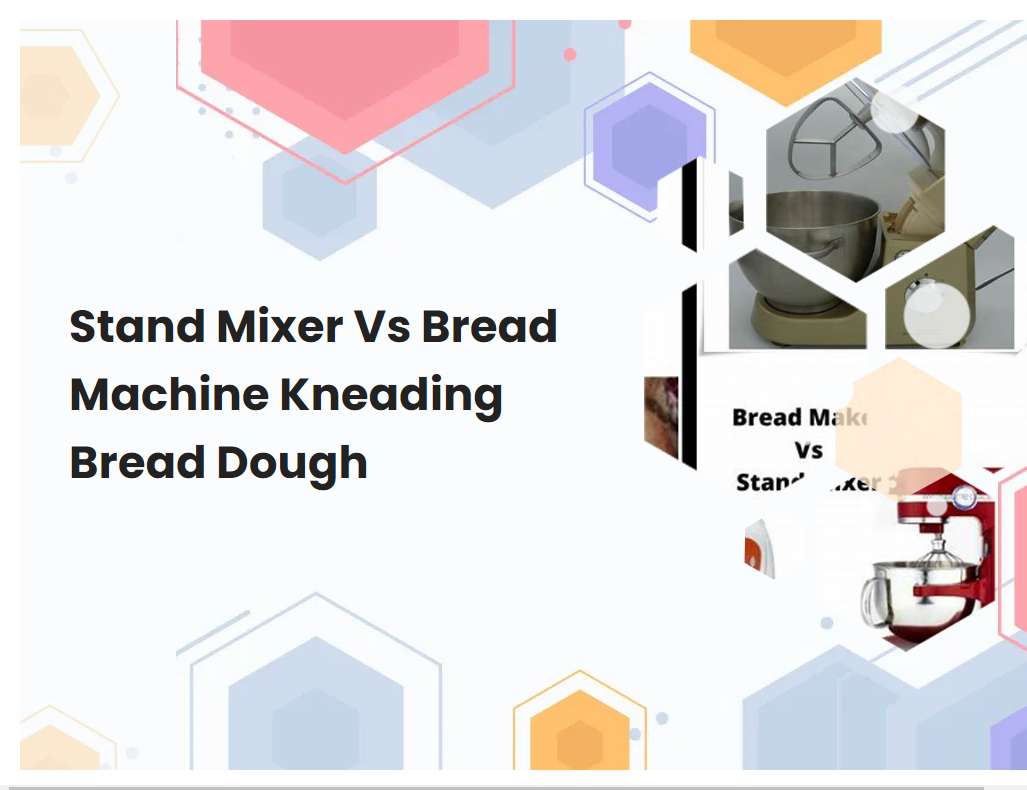
Mixers produce a dough with a firmer consistency while bread machines produce a softer dough.
Mixers and bread machines both make dough for baking bread, but they produce different consistencies. Mixers, such as stand mixers, produce a dough with a firmer consistency. This is because the mixer uses a kneading process to combine the ingredients, which helps to develop the gluten in the flour and creates a more dense dough.
The kneading process also helps to aerate the dough, which gives it a firmer texture. Bread machines, on the other hand, produce a softer dough. This is because they use a different method to mix the ingredients. Most bread machines use a blade to mix the ingredients, which is less effective at developing the gluten structure of the flour. This means that the dough produced is less dense and has a softer texture. Bread machines also often use a slower mixing cycle than mixers, which contributes to the softer texture of the dough.
Mixers are usually more expensive than bread machines.
Mixers and bread machines are two different types of kitchen appliances that are used to create dough. Mixers are typically more expensive than bread machines because they are more versatile and powerful. A mixer can be used for a variety of tasks, such as kneading dough, creaming butter and sugar, and whipping egg whites.
They usually come with multiple attachments, such as whisks, dough hooks, and beaters, that make it easy to mix ingredients together. Mixers are also more powerful than bread machines, so they are better equipped to knead thick doughs such as pizza or focaccia dough. On the other hand, bread machines are designed specifically for making bread. They have a paddle attachment that mixes and kneads the dough, and then bakes it in an internal oven. Bread machines are usually less expensive than mixers because they are less powerful and only have one purpose. They are an easy and convenient way to make fresh bread without having to mix and knead the dough by hand.
See also: How To Use Delay Timer On Bread Machine
Mixers require more manual labor than bread machines.
Mixers require more manual labor than bread machines when it comes to making dough. Unlike a bread machine, which will automatically mix, knead and bake the dough, mixers require the user to manually mix and knead the dough. When using a mixer, the user must measure out the ingredients, place them in the mixer bowl, and then use the mixer to mix and knead the dough.
This process is often done by hand, as most mixers do not have automated settings to do this part of the process. The user then has to shape the dough and let it rise before baking. This means that mixers require more time, effort, and skill than bread machines, as the user has to be actively involved in each step of the dough-making process.
See also: Bread Rises Then Falls During Baking In Bread Machine
The time for kneading the dough is usually less in mixers than in bread machines.
Kneading dough is an important step in the baking process, as it is responsible for developing the gluten in the flour, which gives bread its structure and texture. The amount of time needed to knead dough can vary depending on the method used. Mixers are generally better suited for kneading dough than bread machines, as they require a shorter amount of time.
This is because mixers usually mix the ingredients at higher speeds and for a longer period of time than bread machines. This means that the dough is kneaded more quickly and thoroughly, resulting in a faster overall process. Furthermore, due to the larger motors in mixers, they are better able to handle thicker doughs that require more power to work through. Therefore, if you are looking for a speedy way to knead your dough, a mixer is likely your best bet.
See also: How To Make Coburg Bread In Bread Machine
Mixers have the ability to knead doughs with more ingredients and higher hydration levels than bread machines.
Mixers are a must-have for any baker looking for a powerful tool to make quality breads. Unlike bread machines, mixers can easily handle more complex recipes with more ingredients and higher hydration levels. With a powerful motor, the mixer is able to knead doughs that would be impossible in a bread machine.
The large bowl and heavy-duty kneading hook can accommodate doughs with a higher hydration level, meaning you can easily create doughs with more liquid without worrying about them becoming too wet or sticky. This helps create a more flavorful and dense loaf of bread. Furthermore, the mixer can help create delicate pastries that would be difficult to make in a bread machine. The powerful motor and kneading hook make it possible to knead light and fluffy pastries with ease. Whether you are making bread or delicate pastries, mixers are the perfect tool for the job.
See also: How To Use A Bread Machine Video
Bread machines are typically easier to use and require less manual labor.
Bread machines are a great way to make homemade bread with less effort. They make the process of making bread much easier and more efficient than traditional methods. With a bread machine, you mix the ingredients together in the machine, select the desired setting, and press start.
The machine does the rest of the work for you, kneading, rising, and baking the dough. There is no kneading, shaping, or other manual labor required. You can also customize your bread with different settings and ingredients such as whole wheat flour or dried fruit. Bread machines are a great way to make delicious and fresh homemade bread with minimal effort.
See also: How Do You Use A Bread Machine
Results from a mixer will generally have a better texture and flavor than from a bread machine.
When it comes to baking a delicious loaf of bread, the choice between a mixer and a bread machine can make all the difference. A mixer is the traditional method of kneading dough, as it involves manually mixing and kneading the dough until it reaches an ideal consistency. This process allows for more control over how the dough is mixed, which can result in a superior texture and flavor than using a bread machine.
Not only does the kneading process create an even distribution of ingredients, but it also helps to develop the gluten in the dough, leading to a better-structured loaf of bread. Additionally, the manual kneading process can help to incorporate more air into the dough, making it more light and fluffy. When it comes to creating the perfect loaf of bread, the results from a mixer will generally have a better texture and flavor than from a bread machine.
The size of the mixer should be considered when choosing between a mixer and a bread machine as mixers come in a variety of sizes.
When choosing between a mixer and a bread machine, it is important to consider the size of the mixer. Mixers come in a variety of sizes, ranging from small handheld mixers to large stand mixers. Smaller mixers are typically suitable for lighter tasks such as beating eggs, blending sauces, and making small batches of dough.
Larger stand mixers are better suited for more complex tasks such as kneading dough and mixing large batches of cake batter. Larger stand mixers are also more powerful and can handle tougher tasks like mixing thick cookie dough. Depending on your baking needs and the size of your kitchen, you can choose the right mixer for your needs. Bread machines, on the other hand, are typically smaller in size and designed specifically for baking bread. Bread machines are easy to use and take up less counter space than mixers. They also come with pre-programmed settings for different types of bread dough, so you don't have to worry about kneading the dough by hand. However, bread machines are not as versatile as mixers and cannot handle other baking tasks like mixing cake batter or beating eggs.
Clean-up for mixers is usually more involved than for bread machines.
Clean-up for mixers is typically more involved than for bread machines due to the variety of attachments and components. When cleaning a mixer, it is important to remove all attachments and accessories, such as dough hooks, beaters, and blades, and clean them separately. After all the attachments are removed, the body of the mixer should be wiped down with a damp cloth to remove any food particles or residue.
Depending on the type of mixer, there may be other removable parts that need to be washed and dried separately. Additionally, it is important to check the manufacturer's instructions for any special recommendations. Some mixers may need to be lubricated or have specific parts cleaned with particular products. Lastly, the cord should be unplugged before beginning the cleaning process and once all the parts are cleaned and dried, they should be securely stored before the next use.
Both mixers and bread machines offer different kneading settings which should be considered when deciding which one is right for you.
Mixers and bread machines are both great tools for home bakers to create delicious and fresh homemade breads. When deciding which one is right for you, the kneading settings are an important factor to consider. Mixers generally offer more control over the kneading process, allowing you to choose the speed and duration of kneading.
Manual mixers can even be used for kneading dough by hand, which is ideal for experienced bakers who want to have complete control over the process. Bread machines, on the other hand, provide preset kneading cycles that take the guesswork out of the process. Bread machines are perfect for novices who may not have much experience with kneading dough, as they require little effort and are easy to use. They can also be more convenient than mixers, as they are designed to handle all steps of bread-making from start to finish. Ultimately, it is important to consider your own baking needs and skills when deciding which one is best for you.





